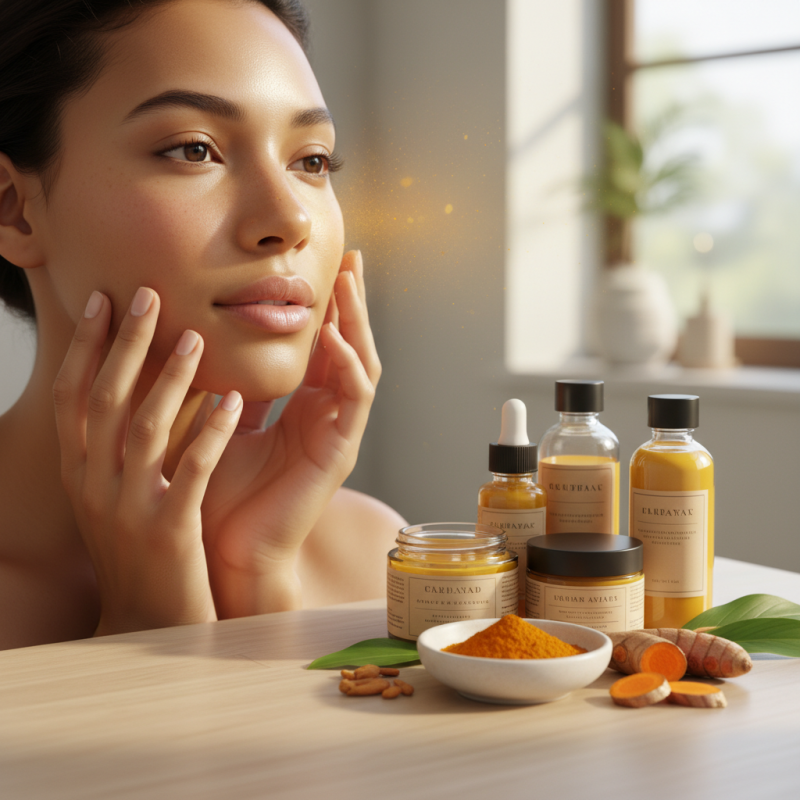
In the quest for radiant skin, Turmeric Skin Care has emerged as a leading trend. Research indicates that over 80% of skin care enthusiasts are now exploring natural ingredients. Turmeric, known for its anti-inflammatory properties, offers a powerful solution for achieving a glowing complexion. According to industry data, turmeric can help reduce acne scars and hyperpigmentation, making it a must-have in many beauty routines.
Despite its benefits, not all turmeric skin care products are created equal. Some formulations may cause irritation or fail to deliver results. Consumers must choose wisely, ensuring they select high-quality products. A 2022 report from the Natural Products Association highlighted the growing demand for clean beauty items that harness the healing power of nature. Turmeric’s antioxidant-rich profile makes it a standout ingredient.
However, the journey to flawless skin can be complex. Many users may face challenges in finding the right formulation that suits their skin type. It's essential to approach turmeric skin care with informed expectations. By understanding the nuances of these products, individuals can maximize their skin's potential and embrace a more radiant appearance.
Turmeric is widely recognized for its skin benefits, thanks to its active ingredients like curcumin. This powerful compound has anti-inflammatory and antioxidant properties. It helps to brighten the skin and reduce dark spots. Many people seek natural solutions for skin issues, and turmeric stands out.
One effective tip is to mix turmeric with yogurt. This blend can create a soothing mask that hydrates the skin while providing a radiant glow. Apply it for about 15 minutes. Rinse thoroughly to reveal softer skin. Note that turmeric can stain, so use a towel you don’t mind discoloring.
Another approach is to use turmeric-infused oils. These can offer deeper moisturization and healing effects. Choose oils that complement turmeric, such as coconut or almond oil. A simple blend can be massaged onto the skin, especially in dry areas. It’s essential to do a patch test first. This precaution prevents any possible irritation that can arise from new skincare ingredients.
Finding the right way to incorporate turmeric into your routine can be a journey. Each skin type is different, and reactions vary. It's crucial to be patient and adjust your methods based on how your skin responds over time.
Turmeric has gained popularity for its skin-enhancing benefits. This golden spice is rich in antioxidants, which help combat free radicals. Free radicals can accelerate skin aging. By using turmeric, you can promote a healthier, more radiant complexion.
Incorporating turmeric into your skincare routine can be simple. Try mixing turmeric powder with yogurt or honey for a quick face mask. Leave it on your skin for about 15 minutes before rinsing. The anti-inflammatory properties of turmeric can soothe irritation and redness. Consistency is key. You might not see results overnight, but regular use can enhance your skin's glow over time.
Tip: Always perform a patch test to avoid any allergic reactions. Additionally, consider using turmeric-infused creams or serums for convenience. Some products combine turmeric with other natural ingredients, enhancing its effects. Remember, while turmeric works wonders, it’s essential to reflect on your overall skincare routine. What else can you improve? Adjusting your diet and hydration can further support your skin health.
Turmeric has gained popularity in skin care due to its potent anti-inflammatory and antioxidant properties. In 2026, certain turmeric ingredients stand out for their effectiveness. Curcumin, the active compound in turmeric, is known for reducing the risk of skin damage caused by UV exposure. A recent study found that curcumin can improve skin elasticity by 18%, providing a youthful glow.
Another important ingredient is turmeric essential oil. This oil not only helps in brightening skin but also offers antimicrobial benefits. Reports highlight that products containing turmeric oil can decrease acne-related inflammation. Moreover, turmeric powder is remarkably versatile; it serves as both a topical treatment and a mask. Research indicates that topical turmeric can lead to a 30% increase in skin hydration over two weeks.
Beyond these ingredients, it's crucial to approach turmeric skin care with caution. Some may experience allergic reactions. A patch test is essential for first-time users. Measuring the effectiveness also presents challenges; not all formulations offer the same benefits. Individual results can vary significantly. Therefore, while turmeric ingredients promise beautiful skin, personal experiences should inform their use.
In recent years, turmeric has gained significant attention in skin care. Consumers are increasingly attracted to its natural healing properties, particularly for achieving glowing skin. This trend reflects a growing preference for clean, herbal ingredients over synthetic options.
Turmeric's active compound, curcumin, has anti-inflammatory and antioxidant properties. These qualities help reduce redness and boost skin radiance. Many people now seek products containing turmeric to enhance their daily skincare routines. However, individual reactions may vary. Some may find turmeric irritating, especially when first introduced.
Tips: Always do a patch test before using new products. Integrate turmeric slowly into your routine. Observe how your skin reacts before increasing usage. Additionally, consulting a dermatologist can provide personalized insights. This approach ensures a safe and effective skincare journey, balancing excitement for new trends with cautious exploration.
Turmeric, a staple in traditional medicine, has gained attention in skincare.
Key clinical studies highlight its effectiveness in managing various skin issues. Curcumin, the active compound in turmeric, exhibits anti-inflammatory and antioxidant properties. Studies suggest that these properties can reduce acne and enhance skin radiance.
One study demonstrated that curcumin could significantly improve the conditions of patients with oily skin. Another highlighted its role in diminishing hyperpigmentation.
The research backs turmeric's efficacy, making it a strong ingredient in skincare formulations.
Tips: Always conduct a patch test before trying new products. If irritation occurs, discontinue use.
Additionally, consider incorporating turmeric into your diet for added skin benefits. A balanced approach may yield better results than relying solely on topical applications.
Remember, it's essential to reflect on your skin's unique needs and responses to any product.
While turmeric shows promise, every skin type reacts differently. Some might find it beneficial, while others may experience redness or irritation. It's crucial to monitor how your skin responds over time.
Adjust your regime based on these reflections for optimal results.
: Curcumin is the active compound known for its anti-inflammatory and antioxidant properties.
Curcumin can reduce skin damage from UV exposure and improve skin elasticity.
It brightens skin and offers antimicrobial benefits, reducing acne-related inflammation.
Turmeric powder can be applied topically or used as a mask for hydration.
Yes, some individuals may experience allergic reactions. A patch test is vital before use.
Formulations vary greatly. Personal results may differ; effectiveness isn't guaranteed for everyone.
If irritation happens, stop using the product immediately and reassess your skin's needs.
Yes, incorporating turmeric into your diet may enhance skin health beyond topical applications.
Observe how your skin responds over time and adjust your skincare routine as needed.
It's essential to consider your skin's unique needs and responses to turmeric products regularly.
Turmeric skin care has gained significant attention for its potent benefits, primarily due to its active compounds that promote skin health and enhance radiance. The antioxidants found in turmeric effectively combat free radicals, which can lead to premature aging and dullness, thus serving as a natural solution for achieving a glowing complexion. As we look ahead to 2026, several key turmeric skin care ingredients are predicted to rise in popularity, aligning with consumer trends that favor natural and holistic approaches to beauty.
Clinical studies have increasingly supported the efficacy of turmeric, revealing its anti-inflammatory and healing properties that can improve various skin conditions. This growing body of research underscores the importance of incorporating turmeric into daily skin care routines, making it a pivotal ingredient for those seeking not only vibrant skin but also overall skin health. As consumers continue to embrace the benefits of turmeric, its role in skin care is set to expand further, promising exciting developments in the beauty industry.

Le-Nutra Ingredients