How to Source Green Coffee Bean Extract in 2026?

Time:2026-10-25 Author:Charlotte
0%

Sourcing Green Coffee Bean Extract in 2026 requires more than comparing supplier prices. Buyers must verify origin, extraction methods, chlorogenic acid levels, and contaminant controls. The raw material may look uniform in a sample bag. Its laboratory profile can differ sharply.

The International Coffee Organization reported global coffee consumption of approximately 177 million 60-kilogram bags in 2023/24. The USDA Foreign Agricultural Service also projected strong global coffee production and trade in its Coffee: World Markets and Trade report. These figures show a large supply base, but they do not guarantee suitable extract quality. Green coffee availability changes with harvest timing, weather, storage conditions, and regional demand.

Start with a documented specification. Define the botanical name, bean grade, country of origin, extraction solvent, carrier ingredients, and chlorogenic acid assay method. Ask for batch-specific certificates of analysis, not generic templates. Test moisture, caffeine, microbial counts, pesticides, heavy metals, and residual solvents through an independent laboratory. Small details matter.

A supplier may claim “standardized extract” without explaining the testing basis. That should invite questions. The assay may measure total chlorogenic acids or only selected compounds. Those results are not automatically comparable.

The European Food Safety Authority and national regulators continue emphasizing evidence-based safety evaluation for botanical ingredients. Therefore, responsible sourcing should include traceability, food-safety certifications, allergen controls, and compliant labeling documentation. Certifications such as ISO 22000, HACCP, or FSSC 22000 can support supplier qualification, but they do not replace your own verification.

This guide examines practical sourcing decisions for Green Coffee Bean Extract in 2026. It also recognizes an uncomfortable reality: the cheapest offer may become the most expensive batch.
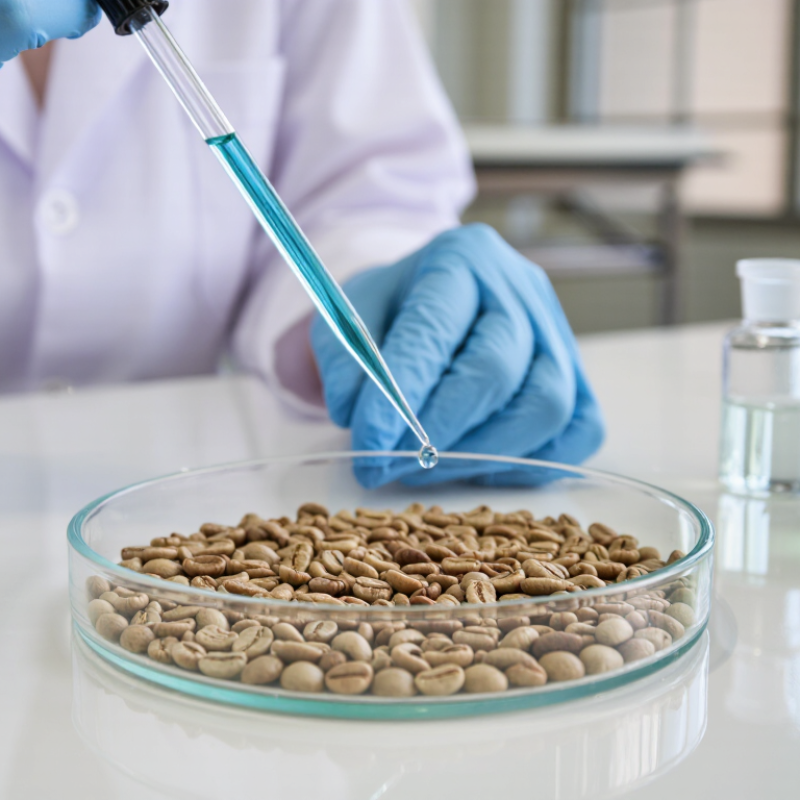
How to Source Green Coffee Bean Extract in 2026?

Set 45–50% Chlorogenic Acids and ≤2% Caffeine Specifications

How to Source Green Coffee Bean Extract in 2026?

Sourcing green coffee bean extract requires more than comparing quoted prices. Set a clear specification: 45–50% total chlorogenic acids and no more than 2% caffeine. Ask suppliers to define the testing method and reporting basis. HPLC testing should identify key chlorogenic acid compounds, not only provide a broad “polyphenol” figure. Request a recent certificate of analysis for the exact production lot. A polished document is not enough.

Evaluate the raw material’s origin, harvest information, extraction solvent, drying temperature, and carrier content. Check moisture, microbial limits, heavy metals, pesticides, and residual solvents through independent laboratory testing. Ask for sealed samples from at least two lots. Compare color, aroma, powder flow, and assay results after storage. Small differences matter. I have seen specifications look consistent until samples were tested under the same method.

Tips: Put acceptance criteria in the purchase agreement. Require retained samples and lot traceability. Confirm that caffeine remains below 2% after blending, not only before it. Review packaging, because humidity can change powder behavior and test results. Do not rely on one certificate. Supplier audits, technical interviews, and periodic re-testing create stronger evidence. A reasonable warning: 45–50% chlorogenic acids may affect taste, color, and stability. Formulators should test the finished product, not assume the extract will behave perfectly.

Verify Arabica or Robusta Identity with Lot-Level DNA and COA Testing

How to Source Green Coffee Bean Extract in 2026?

Verify Arabica or Robusta Identity with Lot-Level DNA and COA Testing

A reliable sourcing program begins with the exact production lot, not a general supplier statement. Request sealed samples linked to a lot number, harvest region, processing date, and extraction record. Keep a retained sample in controlled storage. It can clarify disputes months later.

DNA testing can help confirm whether the extract originated from Arabica, Robusta, or a mixture. Use an independent laboratory with validated methods for botanical authentication. Collect samples from the finished extract and, when possible, from the incoming green beans. Heat, solvents, and filtration may reduce usable DNA. The result is valuable, but it is not magic.

Pair DNA findings with a lot-specific certificate of analysis. Check identity, moisture, caffeine, chlorogenic acids, microbiological results, heavy metals, pesticides, and residual solvents. Match every result to the lot number and sampling date. Review laboratory accreditation and test methods, not only the final pass statement. A polished COA can still hide weak sampling.

Ask questions. Document answers.

In practice, discrepancies appear. A DNA result may suggest mixed species, while the COA reports only chemical specifications. That gap deserves investigation, not an immediate accusation. Re-test a retained sample, compare chain-of-custody records, and examine whether different lots were blended. Supplier trust matters, but verifiable evidence matters more.

How to Source Green Coffee Bean Extract in 2026?

Verify Arabica or Robusta identity with lot-level DNA testing and confirm chemical consistency through the certificate of analysis (COA).

The chart shows commonly reported caffeine ranges in green coffee beans on a dry-weight basis: Arabica approximately 0.9–1.4% and Robusta approximately 1.5–2.5%. Use lot-level DNA testing to verify species identity, then compare the COA with the approved specification for caffeine, moisture, contaminants, and other extract-quality markers. These are reference ranges, not release specifications.

Compare Water and Ethanol Extraction Yields on a Dry-Basis Scale

How to Source Green Coffee Bean Extract in 2026?

Sourcing green coffee bean extract should begin with a dry-basis comparison, not a headline yield. Moisture can distort purchasing decisions. For example, 100 kilograms of beans at 10% moisture contains 90 kilograms of dry material. A 15% dry-basis yield therefore produces 13.5 kilograms of dried extract. This calculation places water and ethanol extraction on equal ground.

Hot-water extraction offers simple processing and usually lower solvent-management demands. It can efficiently recover chlorogenic acids and caffeine from suitable green coffee materials.

Ethanol-water extraction may recover a broader range of compounds, including some less-polar constituents. However, higher extract mass does not always mean higher chlorogenic acid recovery. That distinction matters.

Suppliers should report total extract yield, marker-compound recovery, and moisture content separately. Results should come from the same bean origin, grind size, temperature, and extraction time.

When reviewing a supplier in 2026, request batch records and validated analytical methods. High-performance liquid chromatography can help verify chlorogenic acid and caffeine levels. Check microbial limits, heavy metals, pesticide residues, and residual ethanol where applicable. A dry-basis calculation is useful, but it is not perfect. Small changes in drying temperature can alter color, solubility, and measured mass. I would not treat one pilot batch as proof. Repeated trials and independent testing provide a more reliable sourcing decision.

Screen Extracts for ≤5% Moisture, Heavy Metals, Pesticides, and Microbes

Sourcing green coffee bean extract in 2026 requires more than comparing price per kilogram. I ask suppliers for recent specifications, batch-specific certificates of analysis, and traceable origin records. Moisture deserves immediate attention: require a result of 5% or less, with the test method clearly stated. Low moisture helps limit clumping and microbial growth during storage. Still, it is not a complete safety signal.

Each incoming batch should be screened for lead, arsenic, cadmium, and mercury. The report should show actual values, detection limits, and applicable regulatory thresholds. Pesticide testing must reflect the growing region and current market requirements. A generic “passed” statement is too vague.

Microbial checks should include total aerobic count, yeast and mold, and relevant pathogens. Sampling matters as much as the laboratory name. A tiny scoop from one bag may miss a wet pocket in another.

I prefer sealed retain samples, documented chain of custody, and independent laboratory confirmation before approval. Warehouse conditions need equal discipline: cool, dry storage, intact liners, and humidity logs.

One early mistake is trusting an old certificate. It looked professional, but it did not represent the shipment received. That lesson changed my release process. I now compare lot numbers, production dates, moisture results, and test dates line by line. If records conflict, hold the material and investigate. This slower step protects quality better than a fast purchase.

Audit GMP, HACCP, ISO 22000, and 2026 Regulatory Compliance Records

In 2026, sourcing green coffee bean extract requires more than comparing price and caffeine content. The supplier’s compliance file should be readable, current, and tied to the exact production site. Request the GMP certificate, audit scope, expiry date, and latest corrective-action report. Check whether the certificate covers extraction, drying, blending, and packing. A certificate for another facility is not enough. Ask for batch-specific COAs showing caffeine, moisture, microbial counts, pesticides, heavy metals, and residual solvents. Keep the original laboratory method and acceptance limits.

HACCP records should show real hazards, not a copied table. Review the hazard analysis, critical limits, monitoring sheets, deviation logs, and verification results. For ISO 22000, inspect traceability tests, food-defense controls, supplier approval, allergen statements, sanitation validation, and recall exercises. Ask for one lot to be traced from green beans to sealed cartons. Time stamps matter. So do signatures.

2026 regulatory compliance must be checked against the destination market and product use. Confirm permitted ingredients, labeling language, novel-food status where relevant, contaminant limits, and import documentation with a qualified regulatory reviewer. Do not accept “compliant” as a conclusion without evidence. No audit is perfect. I would record open gaps, assign owners, and set deadlines before placing a purchase order. A missing calibration record may look minor, yet it can weaken the entire release decision. Recheck certificates before every major shipment, because documents can expire while production continues.

How to Source Green Coffee Bean Extract in 2026? - Audit GMP, HACCP, ISO 22000, and 2026 Regulatory Compliance Records

Practical supplier-audit data matrix for green coffee bean extract. Use the evidence column to verify current, product-specific records before approval; regulatory obligations depend on the intended market, product category, dosage form, and claims.

Audit Dimension What to Verify Records and Evidence to Request Minimum Acceptance Criteria 2026 Review Focus Decision
Supplier Legal and Product Identity Legal manufacturing site, product name, botanical source, plant part, extraction process, and intended use. Current manufacturing-site registration or authorization where applicable; product specification; process flow diagram; technical data sheet; intended-use statement; site contact and document-control history. All documents identify the same manufacturing site and the same extract. Botanical identity, plant part, extraction solvent, carrier, and physical form are clearly defined. Confirm that the specification and process have not changed since the last qualification audit. Verify
GMP System Whether the facility operates documented good manufacturing practices appropriate to food or dietary-supplement production. Current GMP certificate or audit report; scope and validity dates; corrective-action records; sanitation and hygiene procedures; pest-control reports; maintenance and calibration logs; training records. Certificate or audit evidence covers the actual product and manufacturing site. Major or critical findings are closed with documented effectiveness checks. Check certificate scope, expiry date, audit scheme, unresolved findings, and any changes to the production line or quality system. Verify
HACCP Plan Hazard analysis covering receipt, storage, extraction, concentration, drying, blending, packaging, and dispatch. Signed HACCP plan; process flow validation; hazard analysis; critical control point rationale; critical limits; monitoring forms; deviation and corrective-action records; verification and validation records. Biological, chemical, physical, and allergen hazards are assessed. Monitoring records are complete, reviewed, and linked to specific lots. Reassess hazards after process, raw-material, equipment, packaging, or regulatory changes. Verify
ISO 22000 Food Safety Management Whether the food-safety management system is certified and relevant to the supplied extract. Valid ISO 22000 certificate; certification-body details; certificate scope; audit date; nonconformity report; evidence of corrective-action closure. Certificate is valid, site-specific, and covers the applicable product category and activities. The certificate is independently verifiable. Confirm the certificate remains current under the applicable ISO 22000 certification cycle and that scope has not been narrowed. Verify
Botanical Authentication Correct species and plant material, with protection against substitution, adulteration, and undeclared added ingredients. Voucher or reference material where used; macroscopic or microscopic identity records; botanical certificate of analysis; chromatographic fingerprint; DNA-based test where scientifically appropriate. Identity method is suitable for the material and results match the approved specification. Any blend or carrier is fully declared. Review authenticity controls for economically motivated adulteration and update the vulnerability assessment when supply routes change. Verify
Active Marker and Composition Declared chlorogenic-acid content and other quality attributes relevant to the product specification. Lot-specific certificate of analysis; validated analytical method; reference-standard information; chromatograms; moisture, ash, particle-size, bulk-density, and solubility results where applicable. Results comply with the agreed specification and are reported with units, method, sampling plan, test date, lot number, and laboratory approval status. Do not accept a generic or undated certificate. Confirm whether the assay is reported on an as-is or dry basis. Verify
Contaminants and Chemical Safety Control of heavy metals, pesticide residues, mycotoxins, process contaminants, residual solvents, and other hazards relevant to the origin and process. Risk-based, lot-specific test reports; laboratory accreditation details; method and limit of quantification; pesticide multi-residue panel; residual-solvent report; contaminant risk assessment. Results meet the legal limits of the destination market and the buyer’s tighter specification where applicable. “Pass” without numerical results is insufficient for high-risk parameters. For the European Union, check applicable contaminant limits under Regulation (EU) 2023/915 and pesticide-residue requirements under Regulation (EC) No 396/2005, as applicable to the product. Verify
Microbiological Safety Microbial quality of the extract and suitability of the process for controlling pathogens and spoilage organisms. Lot-specific results for total aerobic count, yeast and mould, relevant pathogens, and other organisms required by the destination-market specification; sampling plan; laboratory method. Results comply with the approved specification and applicable food-safety criteria. Testing is traceable to the exact production lot. Review moisture control, environmental monitoring, water quality, drying validation, and post-process contamination controls. Verify
Allergen and Cross-Contact Control Presence of intentional allergens and controls preventing unintended cross-contact. Allergen profile; allergen-control program; line-clearance records; cleaning validation; shared-equipment assessment; supplier declarations for carriers and processing aids. All intentionally added allergens and relevant cross-contact risks are declared or controlled according to the destination-market rules. Check current allergen labelling rules for the destination market and verify changes to shared production lines. Verify
Traceability and Recall Ability to trace raw coffee fruit or beans, processing inputs, finished lots, customers, and distribution records. One-step-back and one-step-forward traceability procedure; mock-recall report; lot genealogy; mass-balance record; complaint log; recall and withdrawal procedure. A complete trace can be demonstrated within the documented internal target time, with quantities reconciled and affected customers identifiable. Test traceability at least periodically and after major system or warehouse changes; retain evidence of the test outcome. Verify
Stability and Shelf Life Evidence supporting the assigned shelf life under defined packaging and storage conditions. Real-time or accelerated stability protocol and report; packaging specification; storage-condition records; retest or expiry policy; in-process and end-of-shelf-life results. Shelf life is supported by data for the actual formulation, packaging, and storage conditions. Critical quality attributes remain within specification. Review temperature and humidity excursions during transport and confirm that the expiry date is not based solely on raw-material shelf life. Verify
Packaging and Food-Contact Compliance Suitability of packaging, liners, seals, labels, and transport materials for the intended use. Packaging specification; declaration of compliance where required; migration or suitability data; seal-integrity records; packaging change-control records. Packaging protects the extract from moisture, oxygen, light, and contamination and is suitable for the intended food or supplement contact application. For the EU market, review applicable food-contact requirements, including Regulation (EC) No 1935/2004 and relevant specific measures. Verify
United States Regulatory File Compliance pathway for an ingredient supplied for a conventional food, dietary supplement, or other regulated product. Intended-use and classification assessment; ingredient specification; safety substantiation; facility registration evidence where applicable; dietary-ingredient documentation where applicable; adverse-event and complaint procedures. The importer or responsible finished-product party has documented the applicable U.S. regulatory pathway. No unapproved disease claim is used for the ingredient or finished product. Review current FDA requirements under the Federal Food, Drug, and Cosmetic Act, 21 CFR Part 111 for dietary supplements where applicable, and FSMA preventive-controls obligations where applicable. Market-Specific
European Union Regulatory File Compliance pathway for the intended EU member-state market, product category, and claims. Novel-food assessment where relevant; food-supplement composition review; contaminant and pesticide compliance; label review; claims substantiation; country-specific notification evidence where required. Ingredient status and intended use are documented for the target EU market. Labels and claims comply with applicable EU and member-state requirements. Check Regulation (EU) 2015/2283 for novel foods where applicable, Regulation (EC) No 1924/2006 for nutrition and health claims, and current national notification rules. Market-Specific
Environmental and Ethical Supply Controls Responsible sourcing risks associated with agricultural origin, labor practices, land use, and supply-chain transparency. Country and region-of-origin records; supplier code of conduct; social-audit evidence; grievance process; environmental-risk assessment; deforestation or forced-labor due diligence where applicable. Origin and responsible-sourcing expectations are documented, risk-assessed, and supported by records proportionate to the supply-chain risk. Review destination-market due-diligence obligations and customer requirements before contracting; do not treat voluntary statements as legal compliance by themselves. Risk-Based
Change Control and Ongoing Monitoring Control of changes to origin, botanical material, solvent, carrier, process, equipment, laboratory, packaging, or specification. Change-notification procedure; approved change forms; deviation log; annual review; complaint and trend analysis; updated certificates and specifications. Material changes are communicated before implementation, assessed for regulatory and quality impact, and approved by the buyer’s quality function. Set a 2026 document-review calendar and require immediate notification of critical changes, recalls, regulatory action, or out-of-specification results. Verify
Record-control note: Certificates, audit reports, laboratory results, and regulatory assessments should be current, legible, traceable to the exact manufacturing site and lot where applicable, and reviewed against the laws of the destination market. A certification alone does not replace product-specific testing, label review, or a documented regulatory assessment.

FAQS

Why should extraction yields be compared on a dry basis?

Moisture can make one batch appear larger than another. A dry-basis calculation compares actual solid material fairly.

How is dry-basis yield calculated?

One hundred kilograms of beans at 10% moisture contains 90 kilograms of dry material. A 15% yield produces 13.5 kilograms of dried extract.

Does hot-water extraction always produce the best result?

Not always. Hot water can recover chlorogenic acids and caffeine efficiently, with simpler solvent management.

What may ethanol-water extraction offer?

Ethanol-water extraction may recover more compounds, including some less-polar constituents. Higher extract mass does not guarantee better chlorogenic acid recovery.

Which results should a supplier report?

Request total extract yield, marker-compound recovery, and moisture content separately. Compare matching origin, grind size, temperature, and extraction time.

How can chlorogenic acid and caffeine levels be verified?

High-performance liquid chromatography can help verify both compounds. Ask for validated methods and batch-specific laboratory records.

What quality tests should accompany each batch?

Review microbial counts, heavy metals, pesticide residues, moisture, and residual ethanol where applicable. Keep acceptance limits and original methods.

What should be checked in a supplier’s compliance file?

Check current certificates, audit scope, expiry dates, and corrective-action reports. Coverage should include extraction, drying, blending, and packing.

How can HACCP and traceability records be evaluated?

Review hazard analysis, critical limits, monitoring sheets, deviations, and verification results. Trace one lot from beans to sealed cartons.

Is one successful pilot batch enough for approval?

No. One pilot batch is not proof. Repeat trials and independent testing support a more reliable decision.

What limitations should buyers remember?

Drying temperature can change color, solubility, and measured mass. The calculation helps, but it is not perfect.

What should happen before placing a purchase order?

Record open gaps, assign owners, and set deadlines. Recheck certificates before major shipments, because documents can expire.

Conclusion

Sourcing Green Coffee Bean Extract in 2026 requires a specification-driven and evidence-based approach. Buyers should define a target of 45–50% chlorogenic acids and no more than 2% caffeine, then confirm whether the raw material is Arabica or Robusta through lot-level DNA testing and a complete certificate of analysis (COA). Extraction performance should also be compared on a dry-basis scale, with water and ethanol processes evaluated for yield, consistency, and suitability for the intended application.

Quality screening is equally important. Each lot should meet a moisture limit of 5% or less and be tested for heavy metals, pesticide residues, and microbial safety. Suppliers should provide transparent records demonstrating GMP, HACCP, and ISO 22000 implementation, along with documentation supporting applicable 2026 regulatory requirements. A structured review of identity, composition, extraction method, testing results, and compliance history can help buyers select a reliable, consistent, and appropriately documented extract.

Charlotte

Charlotte

Charlotte is a seasoned marketing professional with a deep understanding of the company's portfolio and a passion for elevating its presence in the market. With a keen eye for detail and a commitment to excellence, she ensures that our professional blog is regularly updated with insightful articles......