Best Pumpkin Seed Protein Benefits for Global Buyers?

Time:2026-06-28 Author:Sienna
0%

Pumpkin Seed Protein is gaining popularity among health-conscious consumers. This plant-based protein source is derived from pumpkin seeds, offering unique nutritional benefits. As global buyers seek healthier options, understanding its advantages becomes crucial.

Rich in essential amino acids, Pumpkin Seed Protein supports muscle recovery and growth. It also contains high levels of magnesium and zinc, which are vital for overall health. These nutrients contribute to better immune function and improved energy levels. However, some may worry about allergens. This needs careful consideration and discussion.

Moreover, sourcing quality Pumpkin Seed Protein is essential for maintaining its benefits. Not all products are created equal, and buyers must research brands. Transparency in sourcing and processing can indicate quality. This is vital for anyone interested in reaping the full benefits of this nutrient-rich protein.
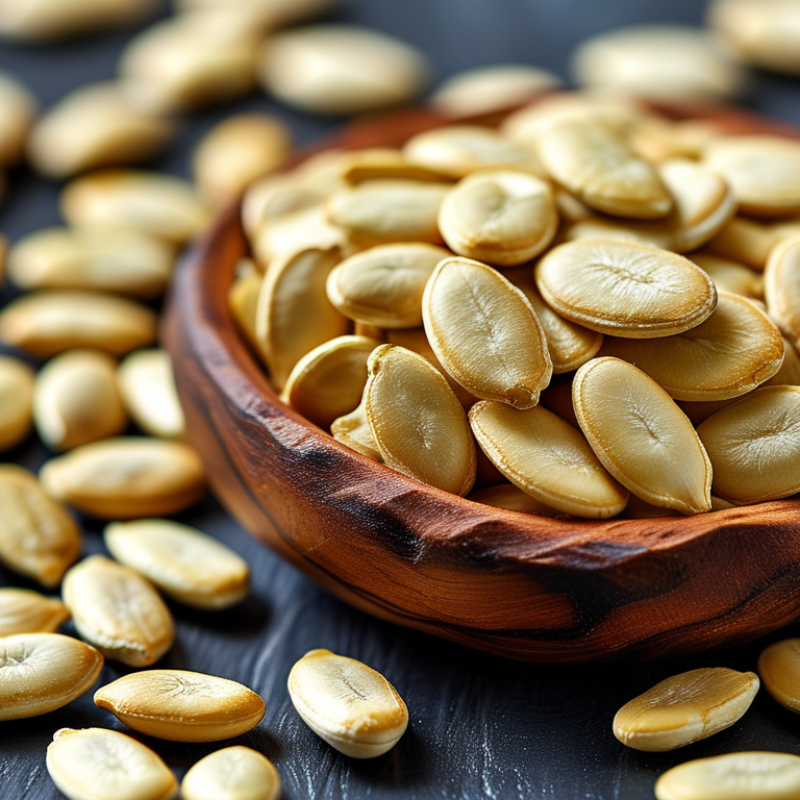
Best Pumpkin Seed Protein Benefits for Global Buyers?

Benefits of Pumpkin Seed Protein for Health and Nutrition

Pumpkin seed protein offers a wealth of health benefits. This nutrient-rich protein source is packed with essential amino acids. It promotes muscle recovery and aids in building lean muscle mass. Many fitness enthusiasts choose it to enhance their protein intake, especially from plant sources. This makes it ideal for vegetarians and vegans.

In addition to protein, pumpkin seeds are high in vitamins and minerals. They contain magnesium, zinc, and iron, which support various bodily functions. These nutrients play a crucial role in immune health and energy production. Regular consumption can improve heart health due to its healthy fats. However, people may sometimes overlook the potential for allergies. Monitoring one’s body’s response is essential.

Cooking with pumpkin seed protein can be fun and inventive. Adding it to smoothies or baked goods can boost nutrition. However, it’s important to balance this protein with other macronutrients. Some may find it gritty or an acquired taste. Experimenting with different recipes can make it more appealing. Adapting the way you use it can lead to delicious discoveries.

Nutritional Profile: Key Components of Pumpkin Seed Protein

Pumpkin seed protein is gaining attention among health enthusiasts. Its nutritional profile offers a range of essential components. These seeds are rich in protein, providing about 30 grams per 100 grams. This high protein content makes them an excellent choice for vegans and vegetarians. They also contain healthy fats, particularly omega-3 and omega-6 fatty acids. These fatty acids support heart health and may reduce inflammation.

Another key aspect is the vitamin and mineral content. Pumpkin seeds are an excellent source of magnesium, zinc, and iron. Magnesium helps with muscle function and may aid in sleep quality. Zinc supports the immune system, while iron is vital for oxygen transport in the body. Additionally, they contain antioxidants, which help fight oxidative stress.

While pumpkin seed protein has many benefits, it’s not perfect. Some may find the flavor strong or off-putting. Its digestibility can also vary. Furthermore, depending on the extraction process, the protein quality may differ. It's essential to explore various sources to find what works best. Balancing pumpkin seed protein with other foods can enhance its nutritional benefits.

Comparative Analysis: Pumpkin Seed Protein vs. Other Protein Sources

Pumpkin seed protein stands out as a unique nutritional source. Compared to common proteins like whey and soy, its amino acid profile is impressive. According to a study published in the *Journal of Food Science and Nutrition*, pumpkin seeds contain all nine essential amino acids, albeit in lower quantities than animal-based proteins. This makes them a valuable option for plant-based diets, yet users should not rely solely on them for protein intake.

When analyzing digestibility, pumpkin seed protein scores moderately. A report from the *Institute of Food Technologists* revealed that its digestibility is about 85%, while whey protein scores over 90%. This means that although pumpkin seed protein is good, it may not be as easily utilized by the body. Some individuals might face challenges digesting seeds in general, particularly those with nut allergies or digestive sensitivities.

In terms of micronutrients, pumpkin seeds excel. They are rich in magnesium, zinc, and iron. A study by the *American Journal of Clinical Nutrition* notes that magnesium supports muscle function and metabolism. However, the protein concentration is about 30-40 grams per 100 grams, which might fall short for athletes requiring higher protein levels. Therefore, while pumpkin seed protein is beneficial, it’s essential to assess individual nutritional needs.

Comparison of Protein Sources: Pumpkin Seed Protein vs. Other Sources

Potential Health Benefits: Heart Health, Muscle Building, and More

Pumpkin seed protein offers a variety of potential health benefits. One significant advantage is its impact on heart health. Rich in magnesium and zinc, it helps regulate blood pressure and supports cardiovascular function. These nutrients can reduce the risk of heart disease. Furthermore, the antioxidants in pumpkin seeds combat oxidative stress, contributing to overall heart wellness.

Muscle building is another area where pumpkin seed protein shines. It contains high-quality protein and essential amino acids. Athletes and fitness enthusiasts often choose it for muscle recovery and growth. Additionally, its healthy fats provide sustained energy for workouts. Many individuals appreciate its versatility in smoothies and snacks.

Yet, like all foods, moderation is key. Some may experience digestive issues if consuming too much. It's vital to listen to your body and adjust accordingly. Experimenting with different amounts can yield personal insights. Overall, pumpkin seed protein supports both heart health and muscle function, making it a valuable addition to a balanced diet.

Ideal Uses: Incorporating Pumpkin Seed Protein into Your Diet

Incorporating pumpkin seed protein into your diet is both simple and rewarding. It’s a versatile ingredient often overlooked. Sprinkle it on your morning oatmeal or mix it in smoothies. You can also use it in baking for added nutrition. Its nutty flavor enhances many dishes.

Pumpkin seed protein is a great addition to salads. Toss some into your favorite green salad for a nutritious crunch. It can be mixed into hummus or dips as well. This adds protein without overpowering the main flavors. For those looking for plant-based options, pumpkin seed protein fits nicely into vegan meals.

Cooking with pumpkin seed protein can be an experiment. Start with small amounts and adjust as needed. Sometimes the nutty taste can dominate. Balance is key. It’s also important to source high-quality proteins. Not all pumpkin seed proteins offer the same nutritional benefits. Exploring different brands can lead to better options. Stay curious and discover what works best for you.

FAQS

: What are the main health benefits of pumpkin seed protein?

: Pumpkin seed protein supports muscle recovery and helps build lean muscle mass. It's nutrient-rich and ideal for vegetarians.

How does pumpkin seed protein impact heart health?

Regular consumption can improve heart health due to its healthy fats and essential nutrients.

Can anyone be allergic to pumpkin seed protein?

Yes, some people may experience allergies to pumpkin seeds. Monitoring your body's response is essential.

How can I incorporate pumpkin seed protein into my meals?

You can sprinkle it on oatmeal, mix it into smoothies, or use it in baking.

Does pumpkin seed protein have a strong flavor?

It has a nutty flavor that some may find dominant. Balancing it with other ingredients is important.

Are there any tips for cooking with pumpkin seed protein?

Start with small amounts and adjust based on taste. Experimenting can lead to enjoyable discoveries.

Can pumpkin seed protein be used in vegan meals?

Yes, it's a great addition to plant-based dishes and enhances their nutritional value without overpowering flavors.

Are all pumpkin seed proteins created equal?

No, the nutritional benefits can vary by brand. It's crucial to explore high-quality options for the best results.

Conclusion

Pumpkin Seed Protein is emerging as a popular choice for health-conscious consumers due to its robust nutritional profile and various health benefits. Rich in essential amino acids, healthy fats, and important minerals, it supports overall wellness. A comparative analysis reveals that Pumpkin Seed Protein offers unique advantages over other protein sources, particularly in promoting heart health and aiding muscle building.

Incorporating Pumpkin Seed Protein into your diet can be both simple and versatile. From smoothies to baked goods, its nutty flavor enhances a variety of dishes while providing a nutrient boost. As global buyers increasingly seek plant-based protein options, the many beneficial properties of Pumpkin Seed Protein present an appealing alternative for those looking to enhance their nutrition naturally.

Sienna

Sienna

Sienna is a skilled marketing professional with a deep expertise in our company’s core products and services. With a passion for innovation and detail, she plays a pivotal role in crafting insightful blog posts that not only highlight the unique features of our offerings but also provide valuable......