Centella Asiatica, commonly known as Gotu Kola, has gained significant attention in the cosmetic and nutraceutical industries. The global market for Centella Asiatica Root Extract is expanding, projected to reach over $280 million by 2025, according to a recent report by Grand View Research. This remarkable growth is attributed to its anti-inflammatory properties and skin-rejuvenating effects. Experts emphasize quality sourcing to maintain product efficacy and integrity.
Dr. Lily Zhang, a renowned herbal extraction specialist, states, "Finding reliable suppliers for Centella Asiatica Root Extract is crucial for product effectiveness." This highlights the need for businesses to invest time in researching their sources. Quality can vary widely among suppliers, impacting end-user satisfaction and brand reputation.
Many businesses face challenges in sourcing high-quality Centella Asiatica Root Extract. Some extractors may not adhere to the best practices in sustainable harvesting. Companies should be wary of inconsistencies in supply chains. Ensuring that you partner with accountable producers is essential in a competitive market. Realizing the potential pitfalls can lead to more informed sourcing decisions.
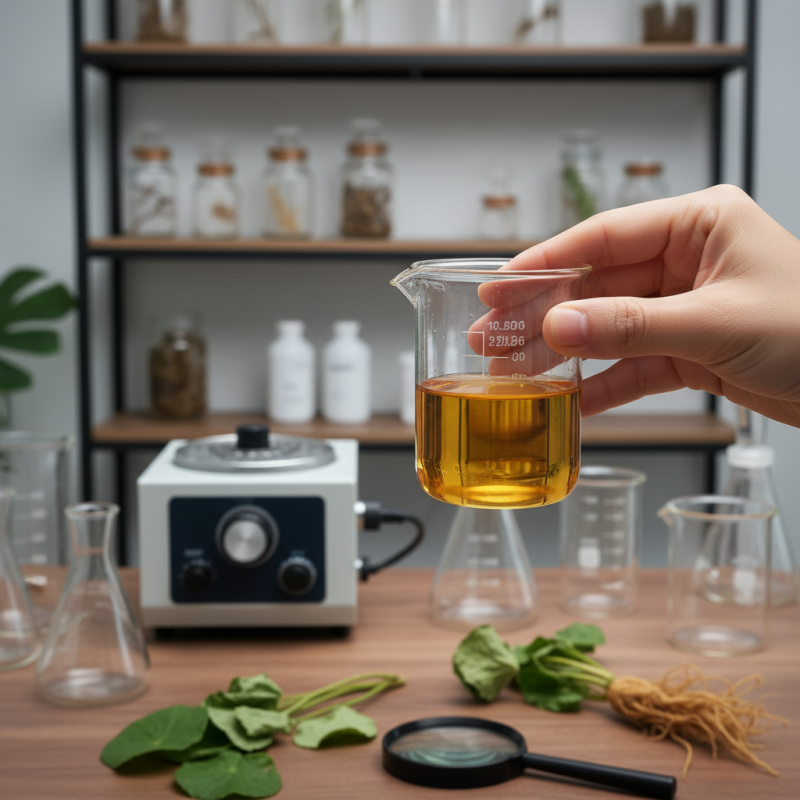
Centella Asiatica, commonly known as Gotu Kola, is a powerful plant extract with numerous benefits. This herb has been used for centuries in traditional medicine. It is famed for its
skin-healing properties. People often turn to it for reducing scars and enhancing skin hydration. In addition, it is recognized for its potential to improve
collagen production. This makes it a popular ingredient in many skincare products.
However, sourcing quality Centella Asiatica root extract isn't always straightforward. The market can be flooded with low-quality alternatives. Many products might lack potency or purity. It is essential to look for suppliers who prioritize
sustainable harvesting practices. Understanding the extraction methods is also crucial. The best extracts are often those obtained through gentle processes that preserve active compounds.
Visual inspection of extracts might reveal color and consistency variations. These factors can indicate quality differences that need attention.
Engaging knowledgeable suppliers can enhance the sourcing process. They should provide transparency about their products.
Certifications and third-party testing can add a layer of trust. Relying solely on product descriptions might lead to unmet expectations. Continuous improvement in sourcing practices is vital for businesses seeking to offer effective
Centella Asiatica extracts. This ensures the end product meets the desired quality standards while delivering on its promises.
When sourcing quality Centella Asiatica root extract, identifying reliable suppliers is crucial. Many suppliers claim to offer premium extracts, but not all live up to their promises. Start by researching potential suppliers who have verifiable industry experience. Look for companies with a track record in herbal products.
During your evaluation, request certificates of analysis (COAs) for their extracts. COAs should confirm the extract's purity and potency. Reliable suppliers will readily provide this documentation. Consider suppliers who prioritize sustainable sourcing methods. This can influence the quality of the Centella Asiatica they offer.
Engage with suppliers directly to assess their expertise. Ask specific questions about their extraction processes. This can reveal much about their commitment to quality. Opinions from other businesses can also guide your decision. Collect feedback from those who have partnered with these suppliers previously. This step may uncover hidden strengths or weaknesses in their offerings.
When sourcing Centella Asiatica root extract, quality is paramount. Evaluating quality standards begins with certifications. Look for ISO certification, which indicates compliance with international standards. According to industry reports, products with ISO 9001 certification exhibit higher consistency. This certification ensures that manufacturing processes meet strict quality control measures.
Another essential standard is Good Manufacturing Practices (GMP). GMP certification assures that the extract has been produced in a controlled environment. A study from the Natural Products Association revealed that GMP-compliant extracts contain 95% active compounds. This level of purity is crucial for maintaining efficacy in formulations.
Third-party testing is also vital. Accredited labs can verify the absence of contaminants and confirm the concentration of active ingredients. Transparency in sourcing and testing can provide more confidence. However, many suppliers lack comprehensive testing data. Engaging with vendors about their certifications and testing practices is necessary to ensure high-quality sourcing. Inspecting their laboratory results can uncover potential deficiencies, leading to better purchasing decisions for your business.
Sourcing ethical and sustainable Centella Asiatica ingredients is crucial for today’s businesses. Many companies search for high-quality extracts, but not all choose the right suppliers. An ethical approach not only benefits the environment but also enhances your brand’s reputation. Look for suppliers who prioritize sustainable harvesting methods. This practice preserves ecosystems and ensures a reliable supply chain.
Researching the origins of Centella Asiatica is vital. You want to ensure that the farmers receive fair compensation for their work. Transparent supply chains can lead you to the right partners. However, it can be challenging to find sources that adhere to these ethical standards. Some suppliers may claim sustainability without proof. Conduct background checks to verify their practices.
Engaging with local communities can provide valuable insights. Collaborating with trusted organizations can help establish authentic partnerships. Yet, it’s essential to remain critical of information presented. Balancing quality with ethical sourcing poses challenges. Always seek improvement and be open to feedback. This mindful approach will shape better choices in sourcing Centella Asiatica root extract.
When negotiating pricing and terms with Centella Asiatica root extract suppliers, understanding market trends is crucial. Industry reports suggest that the demand for this extract has surged by 12% annually. This growth is largely due to its popularity in skincare and herbal products. Therefore, suppliers may have varying pricing models based on their sourcing methods.
When discussing pricing, it's essential to be transparent about your volume needs. Many suppliers offer discounts for bulk purchases. However, make sure to evaluate the quality of the extract. A lower price might indicate inferior quality, which can damage your brand's reputation. Conducting a quality check is recommended.
Tip: Ask for samples to assess the extract's potency. Also, verify if suppliers comply with industry standards and certifications. Always have written agreements outlining payment terms and delivery schedules. This can help clarify expectations.
Negotiating terms can also reveal insights into the supplier's operational practices. Some suppliers may have longer lead times, which might impact your production schedule. It's vital to reflect on what you can afford regarding flexibility. Understanding these dynamics will help foster a successful partnership.
| Supplier Location | Quality Certification | Pricing (per kg) | Minimum Order Quantity | Lead Time |
|---|---|---|---|---|
| China | ISO 9001 | $50 | 100 kg | 4 weeks |
| India | USDA Organic | $45 | 200 kg | 6 weeks |
| South Korea | KFDA Approved | $65 | 50 kg | 3 weeks |
| Vietnam | Fair Trade Certified | $52 | 150 kg | 5 weeks |
siatica root extract known for?
The market has many low-quality alternatives, lacking potency and purity.
Visual inspection for color and consistency can indicate quality differences.
They should offer certificates of analysis to confirm purity and potency.
Research suppliers with verifiable industry experience and positive feedback from other businesses.
Gentle extraction processes preserve the active compounds, resulting in better quality extracts.
Be transparent about your volume needs and evaluate quality alongside pricing.
Have written agreements outlining payment terms and delivery schedules to clarify expectations.
Samples help assess the extract’s potency and ensure it meets your quality standards.
Their willingness to share their operational practices and certification compliance can provide insights.
Sourcing quality Centella Asiatica Root Extract is essential for businesses looking to harness its numerous benefits, which include skin healing and anti-inflammatory properties. The process begins with a thorough understanding of the extract and its uses. Once familiar, the next step is to identify reliable suppliers who offer high-quality products. It's crucial to evaluate quality standards and certifications to ensure that the extract meets industry requirements.
Ethical and sustainable sourcing practices are also vital when selecting Centella Asiatica ingredients. This not only promotes environmental responsibility but also enhances the brand's reputation. Finally, effective negotiation on pricing and terms with suppliers can lead to better deals and long-term partnerships, ensuring a steady supply of this valuable extract for your business needs.

Le-Nutra Ingredients