Centella Asiatica For Skin has become a familiar ingredient in calming creams, repair balms, and lightweight serums. Also called cica or gotu kola, this botanical extract is valued for compounds such as asiaticoside, madecassoside, and asiatic acid. These components may support the skin barrier, reduce the appearance of redness, and help maintain comfortable, hydrated skin. However, its effects can vary between products, concentrations, and individual skin types.
This guide explores the top 10 Centella Asiatica benefits for skin through a practical, evidence-aware lens. We will examine its possible role in soothing irritation, supporting moisture retention, improving the look of stressed skin, and assisting visible recovery after minor dryness. Some users notice less tightness after applying a cica gel, especially around the cheeks or nose. Others may see little change. That difference matters.
Research suggests promising results, but Centella Asiatica is not a guaranteed solution for acne, scars, eczema, or aging concerns. Product formulation also influences performance; a poorly chosen fragrance or active ingredient may cause more trouble than the plant helps. A dermatologist’s guidance is valuable when persistent inflammation, wounds, or allergic reactions appear. Patch testing remains sensible, even with gentle-looking products. Skin is not predictable.
The discussion will separate supported benefits from exaggerated marketing claims. It will also consider who may benefit, how to use Centella products carefully, and when professional advice should replace experimentation. Expect useful detail, but not miracle language. Healthy skin usually improves through consistent, simple care.
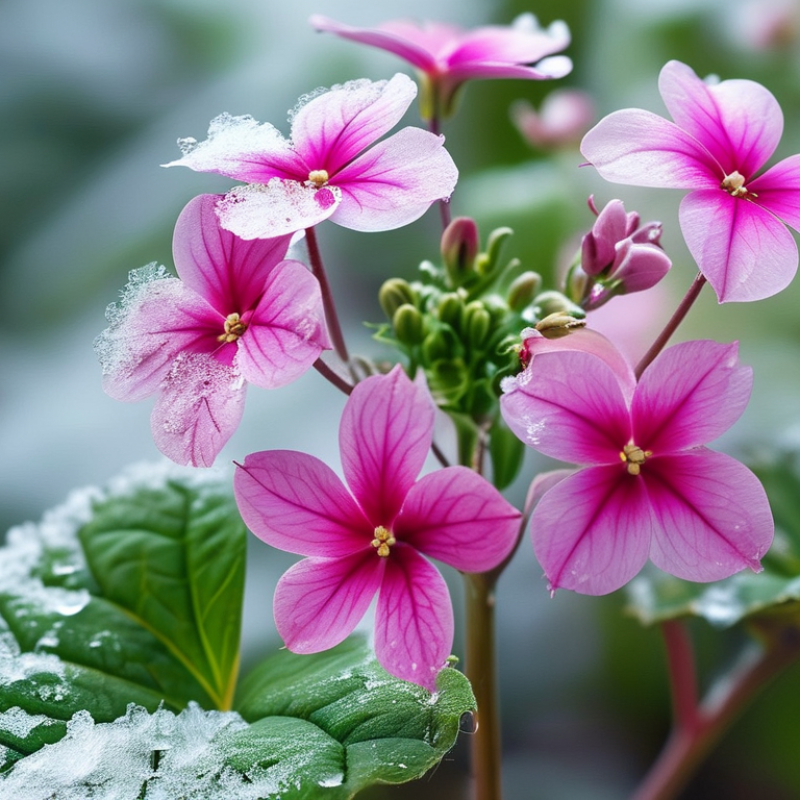
Centella asiatica is a leafy herb traditionally used in Asian medicine. In skincare, it appears in creams, gels, toners, and serums. Its main compounds include asiaticoside, madecassoside, and asiatic acid. These compounds may support the skin barrier and calm visible redness. They may also help skin feel less tight after cleansing.
Why is it used so often? Many people experience dryness, sensitivity, or irritation from weather and strong skincare products. Centella-based formulas can provide lightweight comfort without feeling heavy. Some research suggests the extract may support collagen production and wound-healing processes. However, laboratory findings do not always match everyday results. The formula, concentration, and extraction method matter.
In practice, apply a small amount to clean skin first. Watch for stinging, itching, or new redness. Patch testing is sensible, especially with reactive skin. Centella asiatica is not a miracle ingredient. I would not rely on it to treat persistent acne, eczema, or a damaged wound. Clinical evidence is promising but uneven, and more well-designed human studies are still needed. Some products also contain fragrance or drying alcohol, which can weaken the calming experience. Check the full ingredient list, not just the front label.
| # | Potential Skin Benefit | Relevant Components | How It May Help | Most Relevant For | Evidence & Usage Notes |
|---|---|---|---|---|---|
| 1 | Supports the Skin Barrier | Triterpenes, including asiaticoside, madecassoside, asiatic acid, and madecassic acid | May help support the skin’s protective function and reduce the effects of environmental stress when used in a well-formulated topical product. | Dry, sensitive, or barrier-stressed skin | Centella is commonly included in barrier-supporting formulas, although the final product formulation determines performance. |
| 2 | Soothes the Appearance of Redness | Centella triterpenes and other plant compounds | Has calming and anti-inflammatory activity in laboratory and topical research, which may help reduce the visible look of irritation. | Skin prone to temporary redness or discomfort | It may soothe visible irritation, but persistent redness should be assessed by a qualified healthcare professional. |
| 3 | Provides Antioxidant Support | Polyphenols and triterpenoid compounds | Can help neutralize some free radicals in laboratory testing and complement daily environmental-stress protection. | Dull or environmentally stressed skin | Antioxidant skincare does not replace broad-spectrum sunscreen or other sun-protection measures. |
| 4 | Helps Maintain Hydration | Centella extract, often combined with humectants and barrier lipids | May help reduce the feeling of dryness by supporting a healthier surface barrier and improving the comfort of dehydrated skin. | Dehydrated or tight-feeling skin | Hydration benefits often depend on the complete formula, especially the presence of humectants, emollients, and occlusives. |
| 5 | Supports the Skin’s Natural Repair Processes | Asiaticoside, madecassoside, and related triterpenes | Research indicates that Centella compounds may support fibroblast activity and collagen-related processes involved in normal skin repair. | Compromised-looking or recovering skin | Cosmetic products support the appearance of skin; they should not be applied to open wounds unless specifically directed by a medical professional. |
| 6 | May Improve the Look of Fine Lines | Triterpenes and antioxidant compounds | By supporting hydration, comfort, and collagen-related skin processes, it may make fine lines appear less noticeable over time. | Normal, dry, or mature skin | Results are generally gradual and modest; consistent sunscreen use remains essential for reducing visible photoaging. |
| 7 | May Help Improve the Appearance of Uneven Texture | Centella extract and triterpenoid fractions | Its soothing and barrier-supportive properties may help skin look smoother when roughness is related to dryness or irritation. | Rough, flaky, or stressed skin | Centella is not an exfoliating acid or retinoid, so it should not be expected to resurface skin in the same way. |
| 8 | May Support the Appearance of Stretch Marks | Centella triterpenes, especially asiaticoside in studied preparations | Some topical research has investigated Centella for supporting collagen-related processes and improving the appearance of early stretch marks. | Skin with newly developing stretch marks | Evidence is limited and results vary; topical use cannot guarantee prevention or complete removal of stretch marks. |
| 9 | Complements Acne-Prone Skin Care | Soothing triterpenes and antioxidant compounds | May help comfort skin that feels irritated or dry from an acne-care routine, particularly when paired with appropriate non-comedogenic products. | Acne-prone or sensitized skin | Centella is not a proven substitute for acne treatments such as benzoyl peroxide, salicylic acid, or prescription therapy. |
| 10 | May Help Calm Post-Procedure Discomfort | Centella extract and madecassoside-containing formulations | Its soothing and barrier-supportive properties may help improve the feeling and appearance of temporarily stressed skin. | Skin recovering from non-invasive cosmetic procedures | Only use products approved by the treating professional after a procedure, and avoid fragranced or potentially irritating formulas when skin is compromised. |
Note: Centella asiatica is a botanical skincare ingredient, and its effects can vary according to extract type, concentration, formulation, and individual skin sensitivity. Patch-test new products before widespread use.
It is a leafy herb used in creams, gels, toners, and serums.
They may help calm visible redness, dryness, and tightness after cleansing.
Asiaticoside, madecassoside, asiatic acid, and madecassic acid are widely studied.
It may suit dry, sensitive, or easily irritated skin.
Place a small amount behind the ear or on the inner arm.
Stop if burning, swelling, hives, itching, or worsening redness appears.
It should not be treated as a guaranteed solution for persistent acne or eczema.
Read the complete ingredient list, not only the front label.
Some people notice less tightness or improved softness over time.
Centella Asiatica For Skin is a popular botanical ingredient valued for its soothing, hydrating, and skin-supportive properties. It contains naturally occurring compounds such as asiaticoside, madecassoside, asiatic acid, and madecassic acid, which may help calm visible redness, support the skin barrier, improve moisture retention, and promote a smoother-looking complexion. Its gentle profile makes it useful for skin affected by dryness, environmental stress, or temporary sensitivity.
To add Centella Asiatica to a skincare routine, look for it in a cleanser, toner, serum, or moisturizer and apply the product according to its texture, usually after cleansing and before heavier creams. It may benefit dry, oily, combination, or sensitive skin, but everyone should patch test new products first. Choose simple formulas, avoid combining too many potentially irritating actives at once, and stop use if discomfort, itching, or a rash develops. Consistent use, daily sun protection, and a balanced routine can help support comfortable, healthy-looking skin.

 Le-Nutra Ingredients