The global market for Turmeric Extract Curcumin is rapidly evolving. According to a recent report by Grand View Research, the market size is projected to reach USD 1.5 billion by 2028, growing at a CAGR of 12.1%. This growth highlights a rising awareness of curcumin's health benefits. Industry expert Dr. Amrita Singh emphasizes, "Sourcing quality Turmeric Extract Curcumin is essential for maintaining product integrity and efficacy."
Navigating the complexities of global sourcing for Turmeric Extract Curcumin involves attention to detail. Suppliers may vary in quality and purity, making it crucial to find reliable partners. Despite the promising market, challenges such as inconsistent supply chains can pose risks. Careful selection of sourcing regions, particularly in India and Vietnam, can yield high-quality extracts while minimizing these risks.
As the demand for natural supplements increases, the pressure on suppliers intensifies. Companies must adopt a proactive approach in sourcing. Understanding regulatory environments is also vital for compliance and sustainability. Without this knowledge, businesses may encounter setbacks. Emphasizing quality and ethical sourcing will build a trustworthy brand in this growing market.
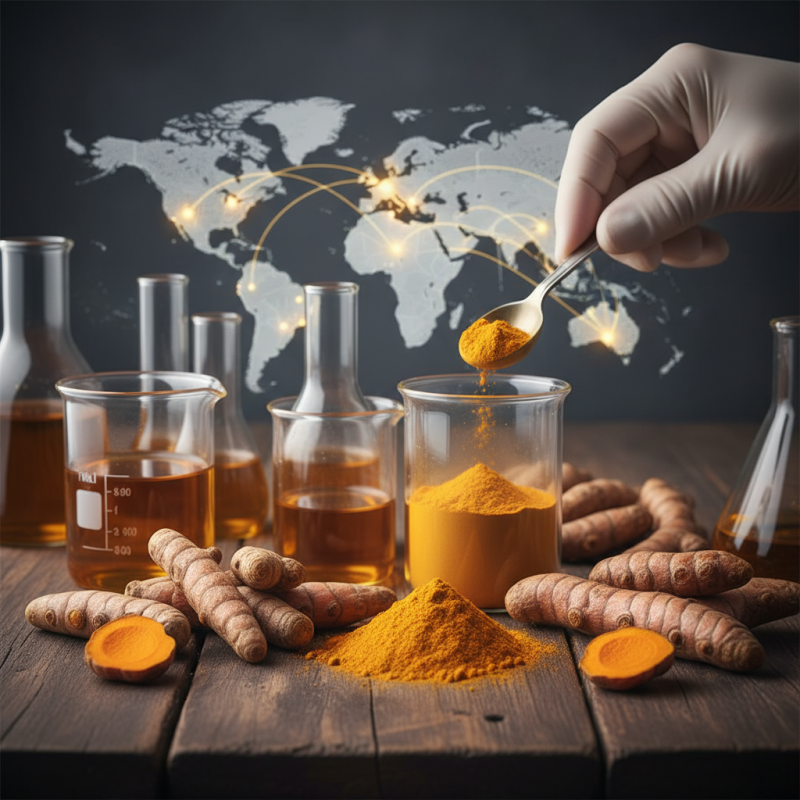
Understanding Turmeric Extract and Its Global Market Overview
Turmeric extract, specifically curcumin, is gaining global attention for its health benefits. This bright yellow compound is derived from the turmeric plant, widely used for its anti-inflammatory properties. Its popularity spans the health supplement industry and natural food markets.
The global market for turmeric extract is expanding rapidly. As consumers become more health-conscious, suppliers are adjusting their strategies. Many regions, including Asia and Europe, are key players in sourcing curcumin. However, sourcing can be challenging. Quality varies, and the authenticity of the product is often questioned. Reliable suppliers are essential for ensuring high-quality extracts.
Sustainability is another concern. Some growers may resort to harmful farming practices to meet demand. Finding ethical suppliers who prioritize organic farming is crucial. The market is evolving, but navigating it requires careful research and diligence. Many importers still struggle with verification processes, highlighting the need for robust quality control standards.
Key Global Suppliers of Turmeric Extract and Their Production Capacities
When sourcing turmeric extract curcumin globally, understanding suppliers and their production capacities is crucial. Several countries, like
India and Indonesia, are notable for their large-scale turmeric production. These regions offer a variety of extraction methods, impacting
curcumin yield and quality. Many suppliers utilize advanced extraction technologies to ensure high potency. Always verify their production capabilities to gauge reliability.
Tip 1: Research suppliers thoroughly. Look for those who have a solid track record. This can prevent potential supply chain issues. A good supplier should also be transparent about their sourcing practices.
Tip 2: Examine quality certifications. Suppliers with recognized certifications typically adhere to strict quality standards. This enhances the trustworthiness of their products.
Additionally, production capacity can vary widely. Some suppliers may boast high volumes, but their quality may not match. Regular audits can provide insights into their processes. The complexity of global sourcing demands a careful approach. It’s essential to remain cautious and informed.
Quality Standards and Certifications for Sourcing Curcumin Extract
When sourcing turmeric extract curcumin, understanding quality standards and certifications is essential. Curcumin must meet stringent criteria to ensure its efficacy and safety. According to the Global Curcumin Market Analysis Report, the demand for high-quality curcumin is on the rise, with growth expected to reach 15% annually.
Various certifications indicate a product’s quality. For instance, ISO certifications provide frameworks for consistent quality management systems. Common standards include ISO 9001 and ISO 22000. These certifications help ensure that the curcumin is processed in hygienic conditions. They also promote traceability in sourcing, which builds trust with consumers.
Monitoring heavy metals and pesticide residues is vital. Reports show that about 30% of turmeric samples contain unacceptable levels of contaminants. Therefore, third-party testing is critical. Regulating bodies like the WHO and local agencies establish guidelines for permissible limits. This transparency is crucial for suppliers and end-users alike. Acknowledging these factors can greatly impact sourcing practices and product quality.
Evaluating Cost Factors in International Sourcing of Turmeric Extract
When sourcing turmeric extract curcumin globally, assessing cost factors is crucial. Fluctuating prices are influenced by various elements such as raw material availability and market demand. Some regions may offer lower prices, but this often comes with trade-offs in quality. The responsible sourcing of high-quality turmeric ensures that businesses receive effective and safe products.
Shipping costs also play a significant role in international sourcing. Long-distance transportation can add substantial expenses to the final product. It's essential to factor in shipping times, as delays can affect inventory levels and production schedules. Partnering with reliable logistics providers may help mitigate these risks, but it can increase initial costs.
Additionally, tariff rates and import duties can impact overall expenditures. Countries may have different regulations governing turmeric imports. Understanding these factors can prevent unexpected expenses. Businesses should conduct thorough research to grasp these elements, ensuring that sourcing decisions are both economically and ethically sound. Balancing cost and quality can be challenging, requiring careful analysis and adaptation.
Global Sourcing Cost Factors for Turmeric Extract Curcumin
Trends in Demand for Curcumin and Future Market Projections
The demand for curcumin, a key compound in turmeric, continues to rise. Health enthusiasts value its potential benefits. As awareness grows, consumers seek reliable sources of high-quality extract. Curcumin has drawn attention for its anti-inflammatory and antioxidant properties. This trend has encouraged many suppliers to explore global markets.
Future projections indicate robust growth in the curcumin market. Analysts expect an annual increase of about 10% over the next few years. This potential may attract new businesses. However, challenges remain. Sourcing curcumin sustainably is essential, but many suppliers struggle with quality consistency. Ethical considerations also play a significant role in sourcing practices.
Navigating the global market involves understanding consumer preferences. Buyers are increasingly aware of the origins of their products. Transparency in sourcing improves trust and reliability. Companies must educate themselves on regulatory guidelines and trade dynamics. This knowledge can help mitigate risks and capitalize on emerging opportunities within the curcumin market.
Top 5 Tips for Sourcing Turmeric Extract Curcumin Globally
| Tip |
Description |
Importance |
Future Trends |
| 1. Assess Quality |
Verify the quality of curcumin extract before sourcing. |
High quality ensures efficacy and customer satisfaction. |
Increasing demand for high-quality ingredients. |
| 2. Verify Supplier Credentials |
Check certifications and reputation of suppliers. |
Reliable suppliers reduce risk in sourcing. |
Focus on ethical sourcing is growing. |
| 3. Understand Regulations |
Familiarize with import/export regulations. |
Compliance avoids legal issues and delays. |
Regulatory scrutiny is increasing globally. |
| 4. Explore Market Trends |
Research current trends in curcumin usage and demand. |
Staying ahead helps adapt sourcing strategy. |
Growing consumer interest in health benefits. |
| 5. Evaluate Logistics |
Assess logistics for efficient transportation and distribution. |
Effective logistics can reduce costs and time. |
E-commerce in supplement market is increasing demand for efficient logistics. |
Conclusion
This article provides a comprehensive overview of sourcing Turmeric Extract Curcumin on a global scale. It begins by explaining the significance of turmeric extract in various industries and outlines the current market landscape. Key global suppliers are identified, along with their production capacities, which helps in understanding the supply chain dynamics.
Additionally, the article emphasizes the importance of quality standards and certifications critical for sourcing Turmeric Extract Curcumin to ensure product integrity. It also examines various cost factors associated with international sourcing and discusses current trends in demand, offering future market projections. These insights equip businesses with the necessary knowledge to navigate the complexities of sourcing turmeric extract efficiently and effectively.

 Le-Nutra Ingredients