Turmeric has gained significant attention in the world of skin care, particularly for its remarkable benefits. Renowned expert Dr. Maya Patel, a dermatologist specializing in turmeric skin care, states, "Turmeric not only brightens the skin but also reduces inflammation." This powerful spice has been used for centuries in various cultures, highlighting its reliability as a natural remedy.
Incorporating turmeric into your routine can offer glowing skin results. Its anti-inflammatory properties help combat acne and redness, while its antioxidant elements protect against skin damage. By using turmeric masks or lotions, users may notice a visible difference in texture and tone.
However, it’s essential to approach turmeric skin care with caution. Not everyone’s skin will react the same way. Some individuals might experience sensitivity or staining. It's crucial to perform a patch test first. This ensures that the spice enhances your beauty routine without unwanted side effects. Balancing these insights can help refine your approach to achieving that healthy glow.
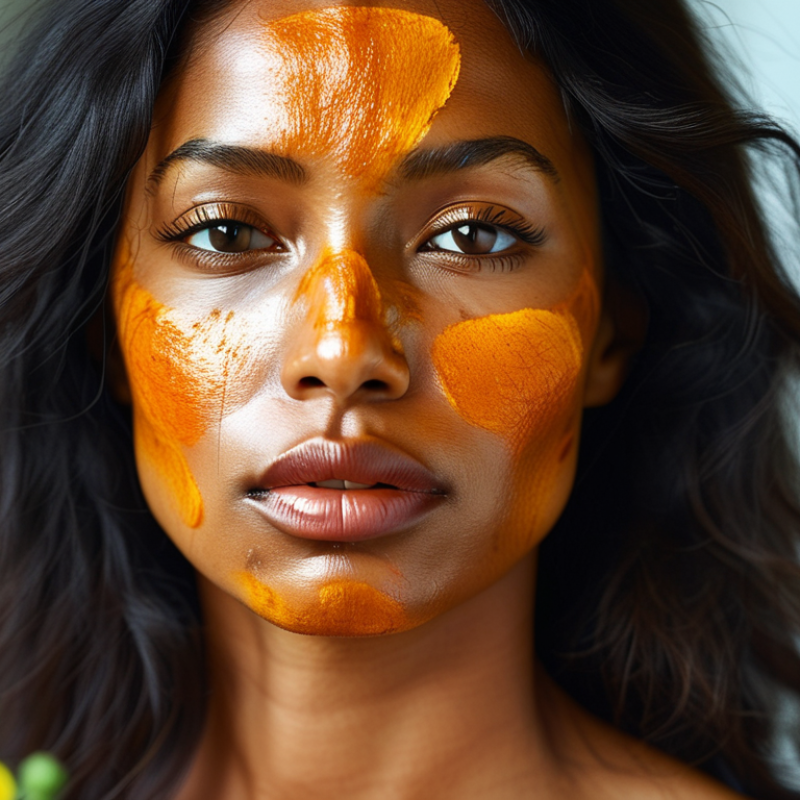
Turmeric is more than just a spice; it is a powerhouse of benefits for skin care. Rich in curcumin, turmeric possesses anti-inflammatory and antioxidant properties. Studies show that these compounds can help reduce acne and diminish scars. A report published in the Journal of Cosmetic Dermatology revealed that turmeric can enhance skin tone by reducing hyperpigmentation.
For immediate effects, consider using a turmeric face mask. Mix turmeric powder with honey and yogurt for a soothing homemade remedy. Apply it for 15 minutes, then rinse off. This blend not only nourishes the skin but also brightens the complexion. Be prepared; turmeric can stain. Always do a patch test before full application.
Incorporating turmeric into your diet can further enhance your skin. According to nutritional studies, regular consumption of turmeric reduces inflammation from within. This can improve overall skin health. However, it is essential to monitor your intake. Too much can lead to possible digestive issues. Balance is key in any holistic approach to beauty.
Turmeric is a powerful herb known for its anti-inflammatory and antioxidant properties. When preparing turmeric for skin applications, it's essential to know how to create effective masks and treatments. One popular method involves mixing turmeric powder with yogurt. This combination can brighten the skin and reduce blemishes. Use one tablespoon of turmeric with two tablespoons of yogurt. Apply this mixture to your face and leave it on for 20 minutes before rinsing off.
Another effective recipe includes turmeric with honey and lemon juice. Honey acts as a natural moisturizer, while lemon juice provides Vitamin C. Mix one teaspoon of turmeric, one teaspoon of honey, and a few drops of lemon juice. This paste can help in treating dark spots. However, be mindful of the lemon juice, as it can cause sensitivity to sunlight. Always do a patch test before applying any new mixture.
While turmeric offers many benefits, results can vary. Some may experience yellow staining on the skin. It's important to use turmeric in moderation and be cautious about its strong tint. Reflecting on these aspects can help you appreciate the journey to glowing skin with turmeric as a natural ally.
Turmeric has gained popularity for its potential to enhance skin health. Its active compound, curcumin, is known for reducing inflammation and brightening the complexion. According to a study published in the Journal of Cosmetic Dermatology, 70% of participants noticed improved skin texture after using turmeric-based treatments.
One method to incorporate turmeric is through masks. Mix turmeric powder with yogurt or honey for hydration. Apply this mixture to the face and leave it on for 15-20 minutes. This simple remedy can boost radiance and minimize blemishes. Be cautious, as turmeric can stain skin temporarily. Always conduct a patch test before applying to avoid adverse reactions.
Another way to use turmeric is in daily skincare routines. Adding turmeric-infused oils to your regimen can enhance moisture. A survey by the American Academy of Dermatology indicates that 45% of participants prefer natural ingredients in their skin products. However, results can vary. Consistency is key, but some individuals may not see immediate effects. Always remember that skin reactions differ among people. Embrace the journey of finding what works best for your skin.
This bar chart illustrates the effectiveness of different turmeric applications for achieving glowing skin, rated on a scale from 1 to 10. The highest effectiveness is noted for turmeric oil, while the cream has the lowest score.
When considering turmeric for skincare, it’s crucial to address potential side effects. Turmeric, known for its anti-inflammatory properties, can be beneficial, but not everyone may react positively. Some individuals may experience skin irritation or allergic reactions. In a study published in the Journal of Cosmetic Dermatology, around 5% of subjects reported adverse effects from topical turmeric applications. This highlights the importance of performing a patch test before widespread use.
Additionally, turmeric can stain the skin. Its vibrant yellow hue may leave a temporary tint, especially for lighter skin tones. This staining effect typically fades with time but can be concerning for those who use it frequently. It is advisable to limit the concentration in formulations, keeping it under 10% for cosmetic purposes. This helps mitigate risks while still reaping the benefits of its antioxidant properties.
People with certain medical conditions, such as diabetes or those on anticoagulant medications, should exercise caution. Turmeric may affect blood sugar levels and interact with medications. Consulting a dermatologist or healthcare professional before starting turmeric treatments is prudent. Awareness of these factors can help users incorporate turmeric into their skincare routine effectively while minimizing risks.
Incorporating turmeric into your daily skin care routine can yield remarkable results. Turmeric is known for its anti-inflammatory and antioxidant properties. Adding it to your regimen may help improve your skin's glow. You can mix turmeric powder with yogurt or honey to create a face mask. Apply this mixture to your clean face and let it sit for about 15 minutes. Rinse with warm water for refreshed skin.
Consider including turmeric in your diet as well. This spice can enhance your overall skin health from the inside out. Try adding it to meals or beverages. However, be mindful of the quantity, as excess can lead to yellow stains on the skin. If you have sensitive skin, always conduct a patch test before applying turmeric topically. This ensures you don’t have adverse reactions.
Be consistent but patient with your routine. Glowing skin takes time and effort. Embrace minor setbacks along the way; not every application will be perfect. It's essential to adjust your methods based on your skin’s response. Track your progress and reflect on what works best for you. Turmeric can be a powerful tool in your skin care arsenal if used correctly.
| Method | Description | Frequency | Expected Results |
|---|---|---|---|
| Turmeric Face Mask | Mix turmeric powder with yogurt and honey. Apply for 15-20 minutes. | 1-2 times a week | Brighter skin, reduced blemishes |
| Turmeric Scrub | Combine turmeric with sugar and coconut oil. Gently scrub the face. | Weekly | Exfoliated, smooth skin |
| Turmeric in Moisturizer | Add a pinch of turmeric to your daily moisturizer. | Daily | Hydrated, glowing skin |
| Turmeric Tea | Drink turmeric tea to benefit the skin from within. | Daily | Improved skin texture |
: Turmeric is rich in curcumin, which has anti-inflammatory and antioxidant properties.
Mix turmeric powder with honey and yogurt. Apply for 15 minutes, then rinse off.
Yes, studies show it can reduce acne and diminish scars effectively.
Turmeric can enhance skin tone by reducing hyperpigmentation and brightening the complexion.
Yes, turmeric can stain the skin, so do a patch test before full application.
Yes, adding turmeric to your diet can reduce inflammation and improve overall skin health.
Excessive intake may lead to digestive issues. Balance is essential.
Apply the mixture gently on the skin and leave it on as instructed.
Yes, lemon juice can cause sunlight sensitivity, so be cautious.
Each person's skin reacts differently, and some might experience yellow staining.
Turmeric Skin Care has gained popularity as a natural solution for achieving glowing skin, thanks to its powerful anti-inflammatory and antioxidant properties. Understanding the benefits of turmeric is the first step; it helps to reduce acne, brighten skin, and even out skin tone. Preparing turmeric for skin applications can involve methods such as creating face masks or mixing it into oils and creams, offering a range of recipes tailored for various skin types.
There are several effective ways to apply turmeric for glowing skin, including direct application or incorporating it into existing skincare routines. However, it's important to be aware of potential side effects, such as staining of the skin or allergic reactions, and to take necessary precautions. By thoughtfully incorporating turmeric into daily skincare routines, individuals can harness its benefits for healthier, radiant skin.
Le-Nutra Ingredients