 Le-Nutra Ingredients
1 / 3

Product Properties
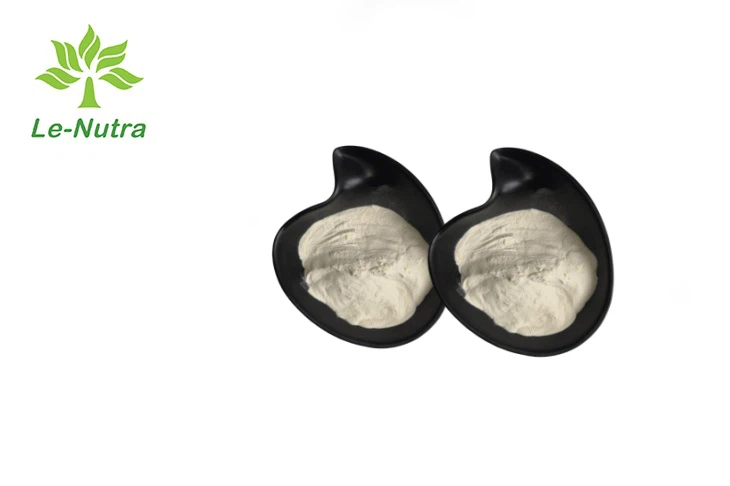
1.Other name:Sea cucumber peptide;Sea cucumber polypeptide;The sea cucumber peptide
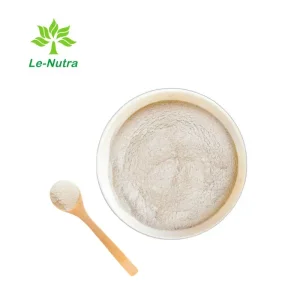
2.Appearance:White or light yellow powder
3.Botanical Source:Sea Cucumber
4.Solubility:Water-Soluble
5.Grade:Food Grade ,Cosmetic Grade
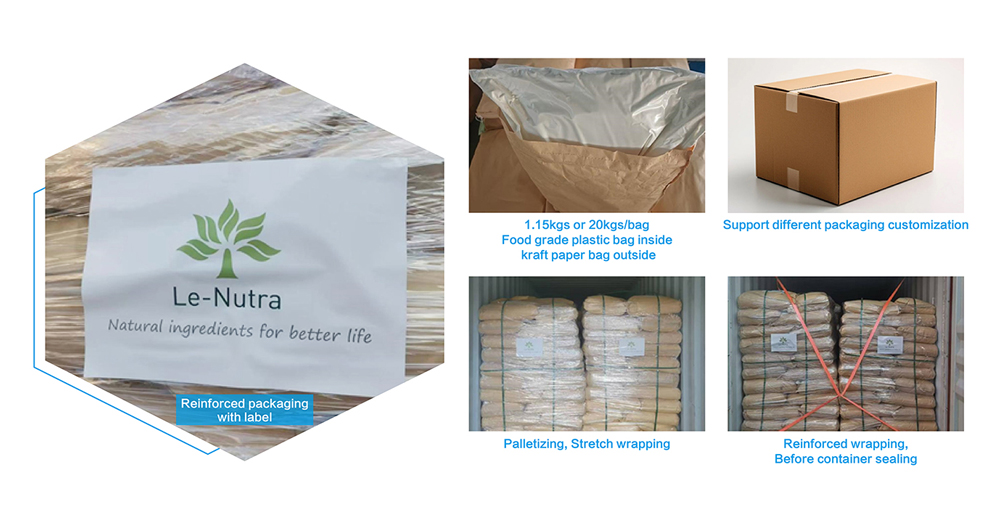
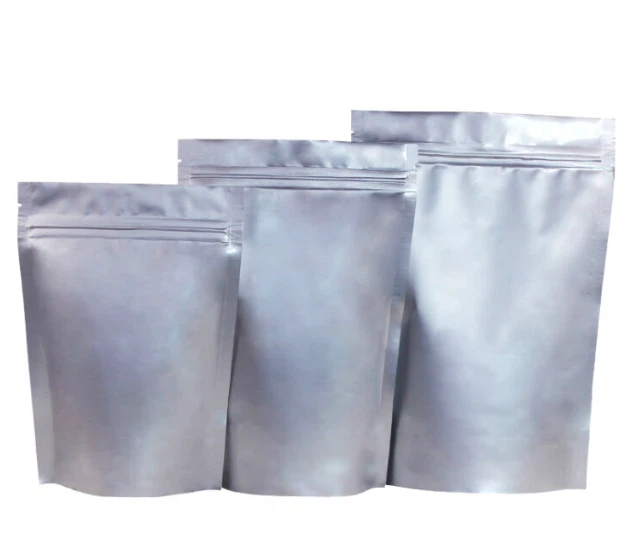
6.Packaging:Aluminum foil bag packaging, lined aseptic bag vacuum packaging can be customized according to customer requirements
7.Certificates: COA, TDS, Allergen, Non-GMO, Halal, Kosher, ISO22000, cGMP.
8.Payment Method: T/T, Western Union, Pay Pal, Alibaba Assurance Account
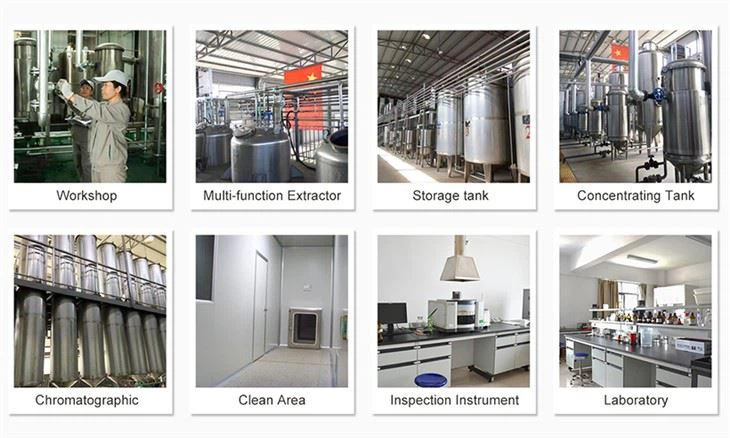
9.10 years experience on natural ingredients industry.
Sea cucumbers are marine invertebrates belonging to the phylum Echinodermata and class Holothuroidea. Currently, there are more than 1,700 species of sea cucumbers discovered worldwide, and more than 70 species are being used for commercial development. Among them, the Asia-Pacific region has the most species, with about 140 species in my country, of which about 20 are edible.
Sea cucumbers have extremely high nutritional and medicinal value, and were called "sea ginseng" in ancient China. They were used for food as early as 200 years ago. The protein content in sea cucumbers is as high as 40.7% to 63.6%, of which collagen accounts for 70% of the total protein. They are also rich in polysaccharides and saponins, trace elements such as calcium, magnesium, and copper, and a small amount of nucleic acids. They are low in fat and cholesterol, and are listed as the first of the eight delicacies.
Sea Cucumber Polypeptide refer to protein hydrolysates obtained by separation and purification of sea cucumbers after protease hydrolysis, which are mainly small molecule peptides and have multiple functional properties. Bioactive peptides have the advantages of wide sources, mild properties, easy digestion and absorption, diverse activities and extremely low side effects.
Aging is an irreversible decline process characterized by physiological and psychological changes. The anti-aging activity of Sea Cucumber Polypeptide is mainly manifested in prolonging life and delaying skin aging. Studies have shown that these peptides inhibit lipid peroxidation and protein oxidation.
They enhance the antioxidant defense system, reduce age pigments, and increase collagen secretion. Beyond anti-aging, the biological activities include:
Inner by food grade plastic bag; Outside with kraft paper bag; Available in 15kg/25kg/bag, also accept customized quantity.