Immediate dispatch of low molecular weight peptides tailored to the stringent quality metrics of European clean beauty brands.
An authoritative analysis of plant and keratin peptide demands across global and European distribution networks.
The global demand for hydrolyzed proteins has witnessed a paradigm shift. Historically utilized as primary texturizers or basic moisture binders, these highly sophisticated polypeptides have evolved into essential bioactive complexes. By breaking down high-molecular-weight proteins into precise molecular distributions through enzymatic cleavage, manufacturers achieve enhanced bioavailability, film-forming capacity, and structural affinity with human hair and skin tissue.
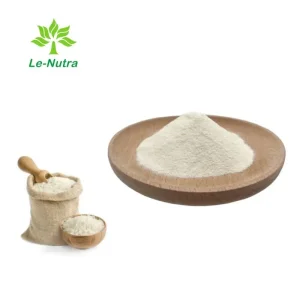
Across key global cosmetics hubs in North America and Western Europe, consumer demand is driven by the clean-beauty transition and vegan movement. High-purity hydrolyzed wheat, rice, pea, and oat proteins are increasingly substituting traditional animal-derived peptides like collagen or elastin. The focus is on finding structural equivalents that deliver equal or superior efficacy. In the personal care segment, these peptides act as active protectants that mitigate surfactant damage, restore tensile strength to damaged keratin fibers, and retain critical moisture in the stratum corneum through film-forming techniques.
Concurrently, the global nutricosmetics sector is adopting hydrolyzed peptides to formulate targeted nutricosmetic dietary matrices. The low molecular weight profiles (often optimized below 1000 Da) facilitate trans-epithelial transport, ensuring that oral consumption translates to target tissue repair. For global B2B buyers, securing a reliable, transparent supply chain capable of delivering consistent batch-to-batch peptide distribution, low heavy-metal indices, and clean odor-and-color profiles has become a primary operational priority.
Exploring localized applications, the blue bioeconomy, and regulatory shifts in the Portuguese personal care market.
Lisbon, alongside key industrial zones in Oeiras and the wider Tagus Valley (Vale do Tejo), is establishing itself as a specialized center for biotechnology innovation and cosmetic manufacturing in Southern Europe. The Portuguese market is characterized by a strong commitment to marine and plant biodiversity, sustainable development, and clean beauty principles. Local R&D entities and contract manufacturing organizations (CMOs) in Lisbon require botanical extracts and peptide complexes that align with eco-conscious standards and meet rigorous European standards.
Localized application scenarios in Lisbon include:
Formulators in Lisbon leverage hydrolyzed rice and soy proteins to develop lightweight moisturizing serums that combat UV-induced oxidative stress, typical of the Mediterranean climate.
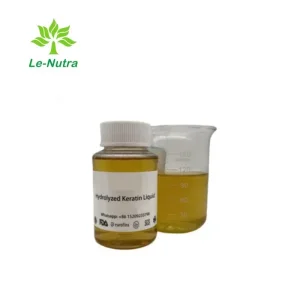
With a high concentration of premium hair clinics in Portugal, the demand for hydrolyzed keratin and wheat proteins is surging to formulate restorative capillary treatments.
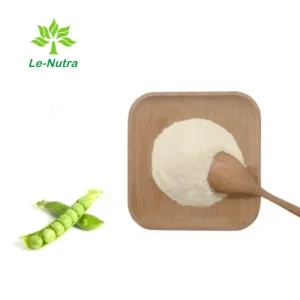
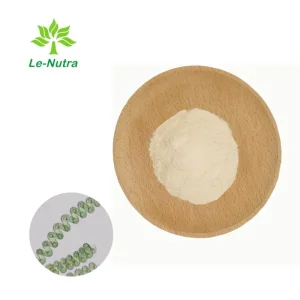
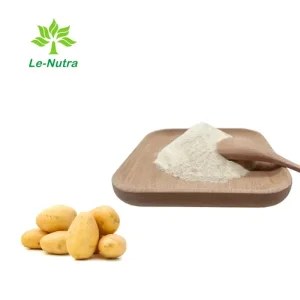
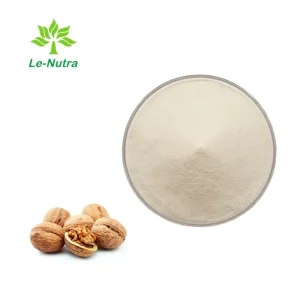
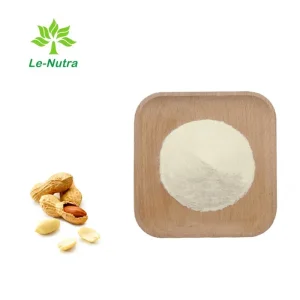
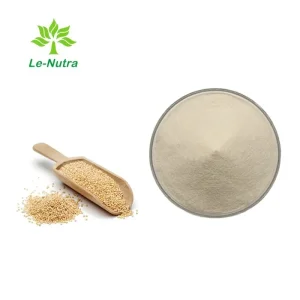
Incorporation of plant proteins (pea, spirulina, quinoa) into local dietary supplements, catering to the wellness-driven demographic in urban Portugal.
Furthermore, Lisbon's regulatory landscape requires strict compliance with the European Cosmetics Regulation (EC) No 1223/2009. Ingredients must undergo safety assessments, and any plant-derived protein imported must trace back to non-GMO origins, with documented raw material source footprints. Our export processes to Lisbon and the broader Iberian peninsula guarantee full transparency, simplifying CPNP (Cosmetic Products Notification Portal) registration for local brands.
Le-Nutra is a biotechnology enterprise with a strong reputation in the industry, devoted to natural ingredients for 14 years. We are dedicated to the research, production, and marketing of natural, healthy, and innovative raw materials widely used in the fields of Nutraceuticals, Foods and Beverages, Cosmetics, and Personal Care Products.
We boast a broad product range that includes botanical extracts, plant proteins, protein hydrolysate actives, moisturizing complexes, emollients, and green surfactants. Our state-of-the-art facilities cover 60,000 square meters with an annual raw material production capacity of 3,000 tons. Six multifunctional production lines are equipped with advanced extraction tanks, allowing for the precise processing of diverse plant materials to deliver varied purities and targeted applications.
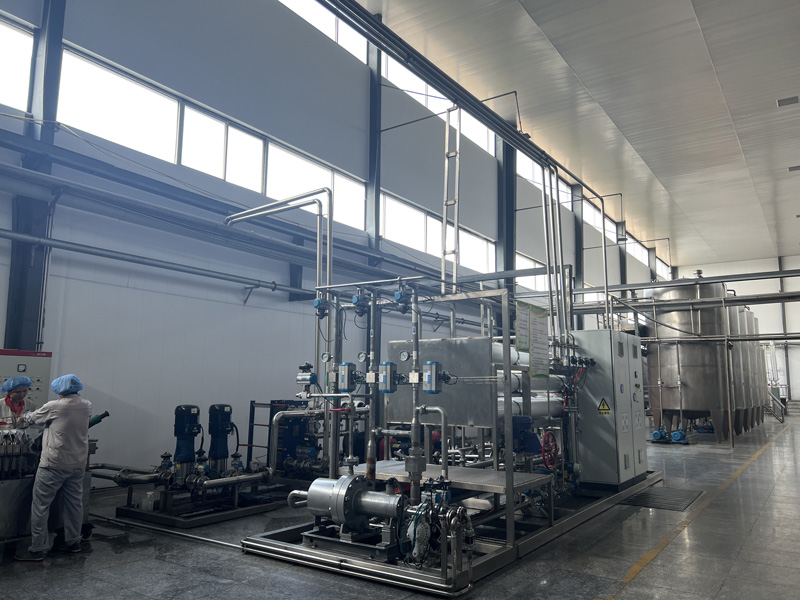
With over 10 years of export experience and world-renowned customer cooperation cases, we have accumulated expert knowledge in this field. Our high-quality ingredients and professional services are highly recognized by customers in over 40 countries, including the USA, Canada, UK, France, Germany, Switzerland, Spain, Netherlands, Belgium, Sweden, Thailand, Philippines, Japan, Korea, Russia, Singapore, Indonesia, Brazil, and Portugal, serving manufacturers in Lisbon with efficient logistics.
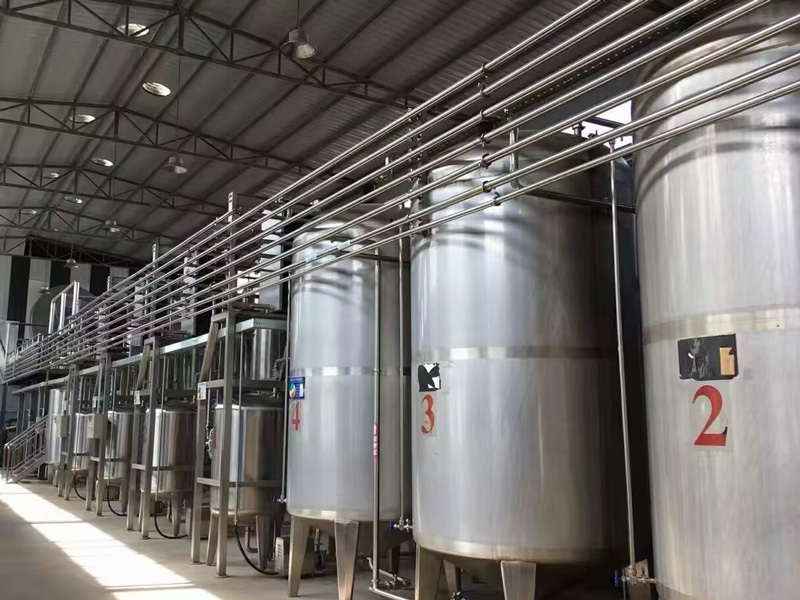
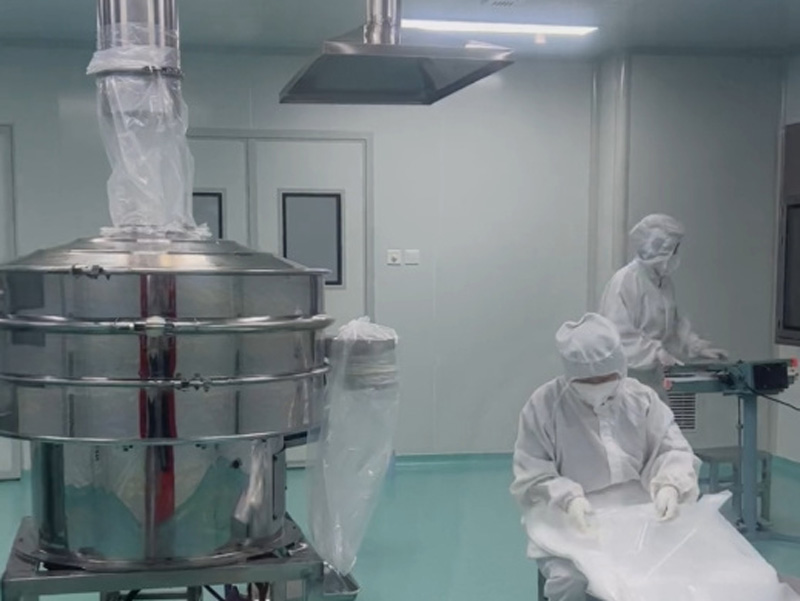
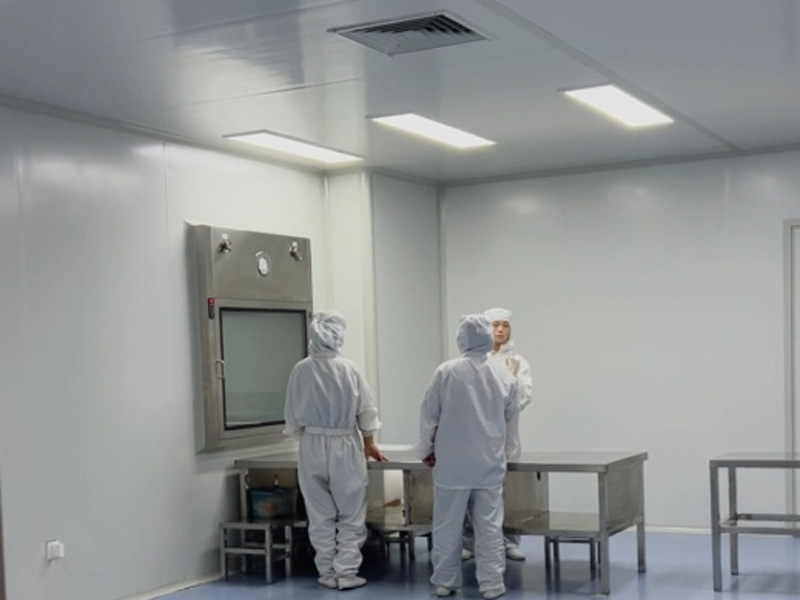
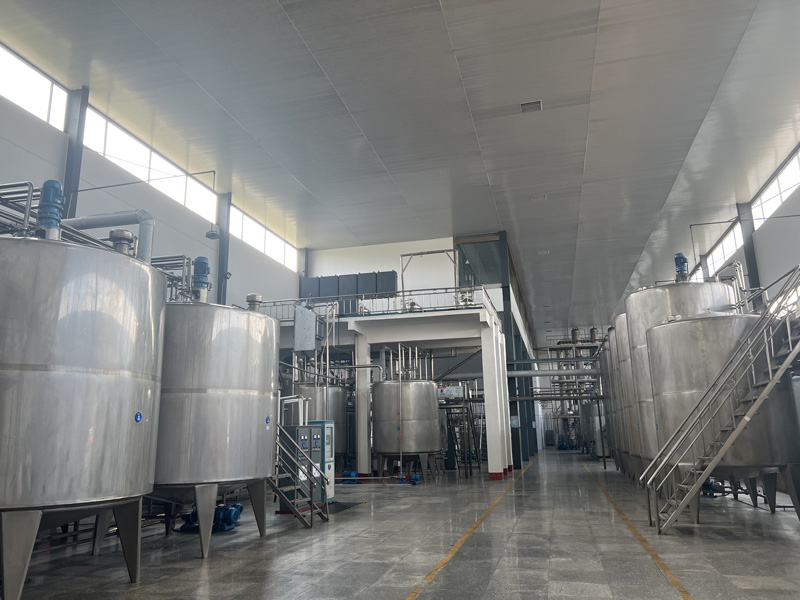
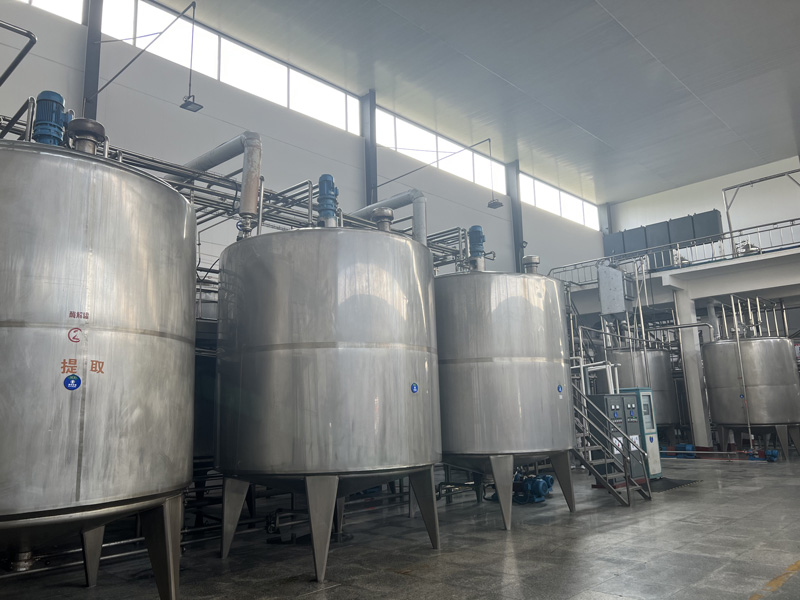
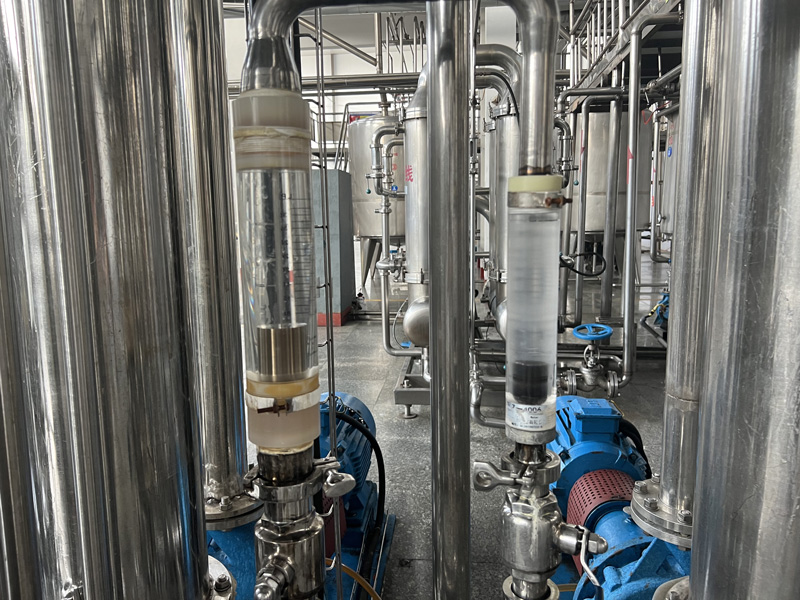
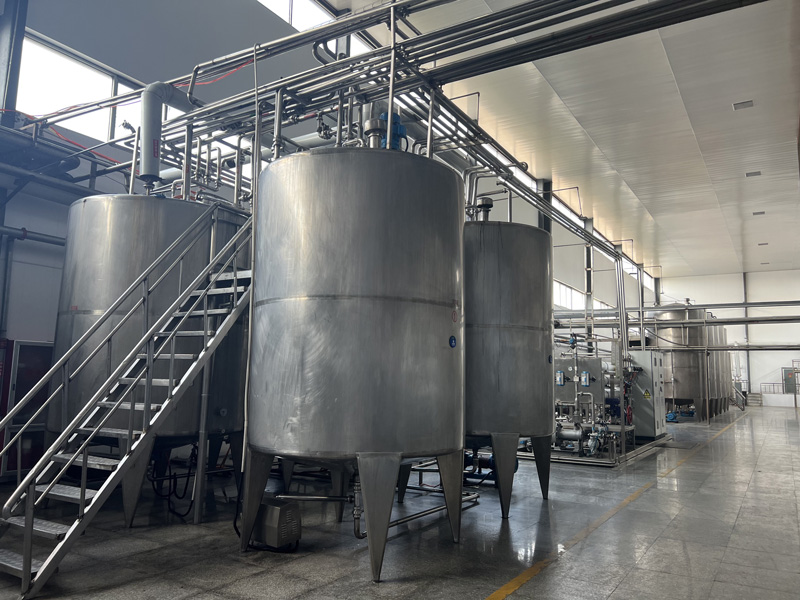
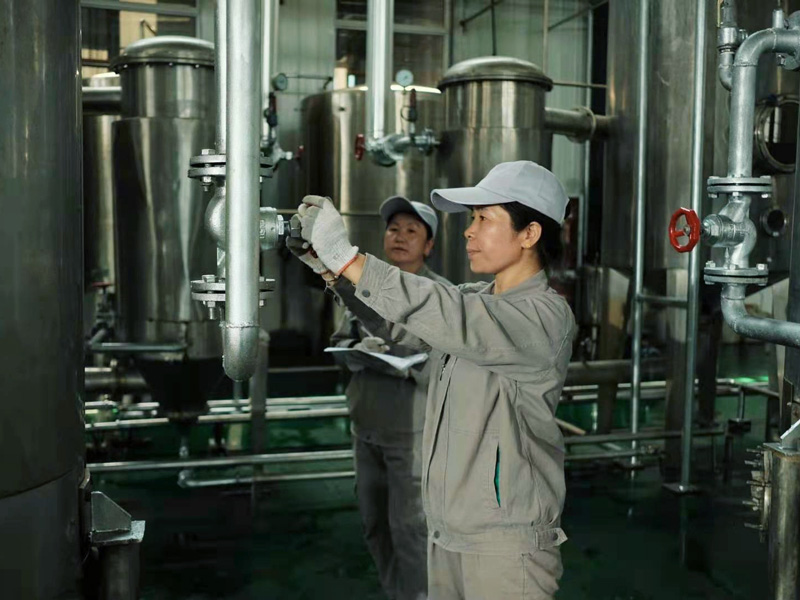
Le-Nutra focuses on providing innovative raw materials and tailored solutions for its business partners, based on strong R&D capability, extensive experience, and in-depth knowledge of the cosmetic, personal care, and nutraceutical industries.
The technological trajectory of enzymatic hydrolysis, membrane filtration, and bioactivity customization.
The manufacturing process of hydrolyzed proteins at Le-Nutra is guided by a precise, multi-stage technological roadmap designed to maximize active peptide yield while maintaining structural integrity. Our technical methodology focuses on three main areas:
Raw plant materials (wheat gluten, pea isolate, spirulina, rice germ) undergo mechanical milling and state-specific washing steps to eliminate starches, lipids, and non-protein constituents. This achieves a pure protein concentrate ready for enzymatic access.
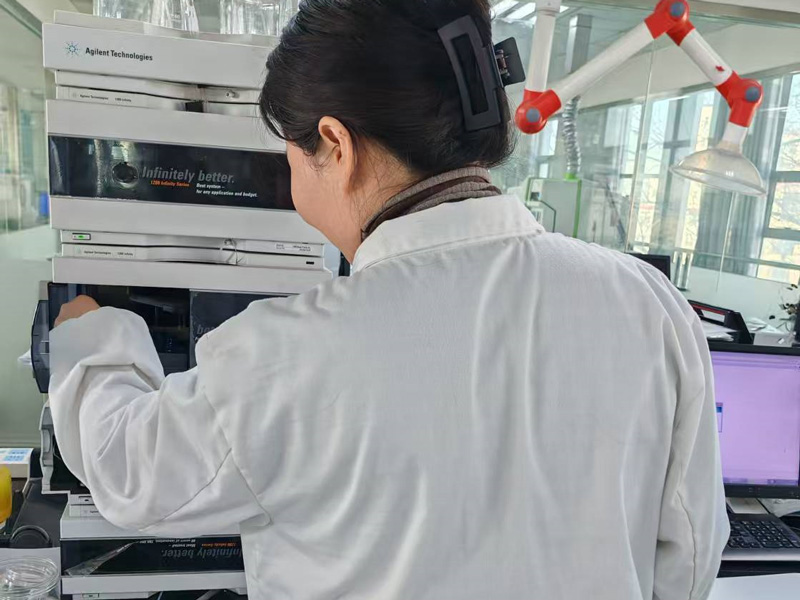
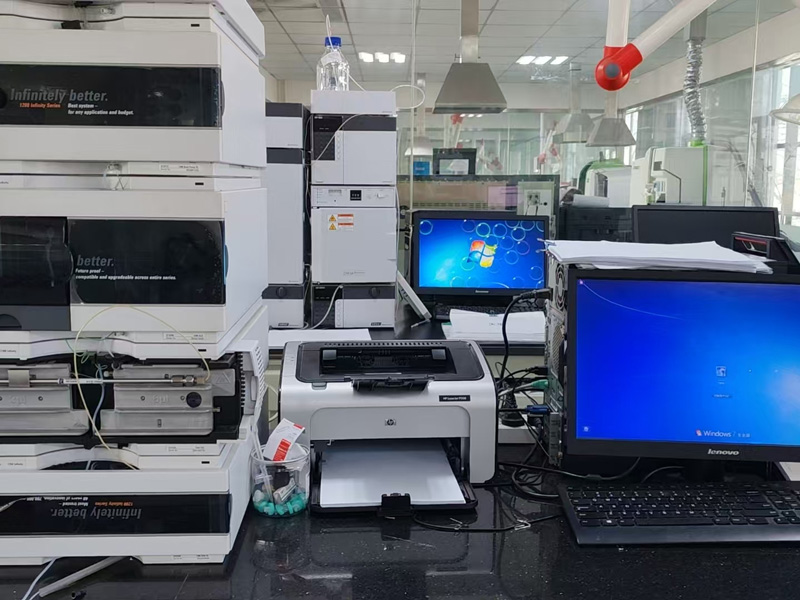
Rather than using harsh acid hydrolysis, which degrades essential amino acids (such as tryptophan and cysteine), we use a proprietary cocktail of endopeptidases and exopeptidases. This process is monitored in real-time for temperature, pH, and degree of hydrolysis (DH) to target specific peptide molecular weights (MW). For deep hair penetration, the target MW is set below 1,000 Daltons; for surface protective film-forming, a range of 2,000–5,000 Daltons is selected.
Following hydrolysis, the enzyme is thermally inactivated. The hydrolysate passes through active carbon treatment to remove odor and pigment, followed by cross-flow ultrafiltration membranes. This stage isolates the target peptide distribution and removes mineral salts, ensuring high purity.
Our R&D department is currently exploring synthetic biology-assisted hydrolysis. By designing custom enzymes, we can cleave proteins at specific amino acid junctions, producing targeted peptide sequences. These sequences mimic the structural matrices found in human hair keratin and skin collagen, which will provide Lisbon cosmetic brands with innovative, bio-mimetic cosmetic ingredients.
How Le-Nutra secures raw material availability and pricing stability for European importers.
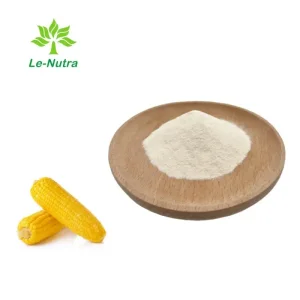
Global raw material markets face constant disruptions, including fluctuating energy costs and crop yield variations. In this landscape, Chinese manufacturers, particularly Le-Nutra, offer a highly stable supply chain. Our facility in Xi’an, located near extensive agricultural cultivation zones, secures a consistent supply of wheat, soy, corn, and oat resources. This geographic proximity protects our operations from raw material scarcity and reduces domestic logistics emissions.
Furthermore, Le-Nutra's scale of operations (including 6 automated lines and a 3,000-ton annual capacity) allows us to optimize production efficiency and maintain competitive pricing. We utilize integrated waste-heat recovery systems and membrane water recycling to lower overall utility costs per ton. This cost benefit is passed directly to our European partners.
For Lisbon-based clients, shipping from major ports like Shanghai or Qingdao to the Port of Lisbon is managed through long-term freight partnerships. This ensures consistent shipping rates, secure container space, and reliable transit schedules even during peak maritime shipping seasons.
Providing clear documentation, quality control, and regulatory support for the EU market.
Importing chemical or biological cosmetic ingredients into the European Union requires compliance with strict regulations. To support our Lisbon clients, Le-Nutra provides a complete documentation package for every batch of hydrolyzed protein shipped:
We work with Portuguese customs brokers to ensure smooth clearance at Lisbon ports, minimizing administrative delays and helping cosmetic manufacturers maintain their production schedules.
Key technical queries resolved by our R&D director.
Explore our full line of bioactive peptides, available for export to Lisbon and Southern European markets.
 Le-Nutra Ingredients